
Why Virtual Partners Feel Safer Than Real Ones for Many: Exploring the Rise of Digital Companionship

Introduction: The Growing Appeal of Virtual Partners
In an era where technology permeates every aspect of our lives, the concept of relationships is undergoing a profound transformation. Virtual partners, powered by artificial intelligence (AI), are emerging as a compelling alternative to traditional human connections. For many, these digital companions offer a sense of safety and comfort that real-world relationships often lack. But why do virtual partners feel safer than real ones? This article delves into the psychological, emotional, and practical reasons behind the growing popularity of AI relationships and digital companionship.
The rise of virtual girlfriends and boyfriends is not just a passing trend. According to a 2022 study by Statista, over 30% of adults in the United States have expressed interest in exploring AI-driven companionship. This statistic highlights a shift in societal norms, where technology is no longer just a tool but a source of emotional support. From customizable personalities to round-the-clock availability, virtual partners are redefining what it means to connect with someone—or something. In this comprehensive guide, we’ll explore why many individuals find solace in virtual love and how AI is shaping the future of relationships.

Emotional Safety: A Key Reason for Choosing Virtual Companions
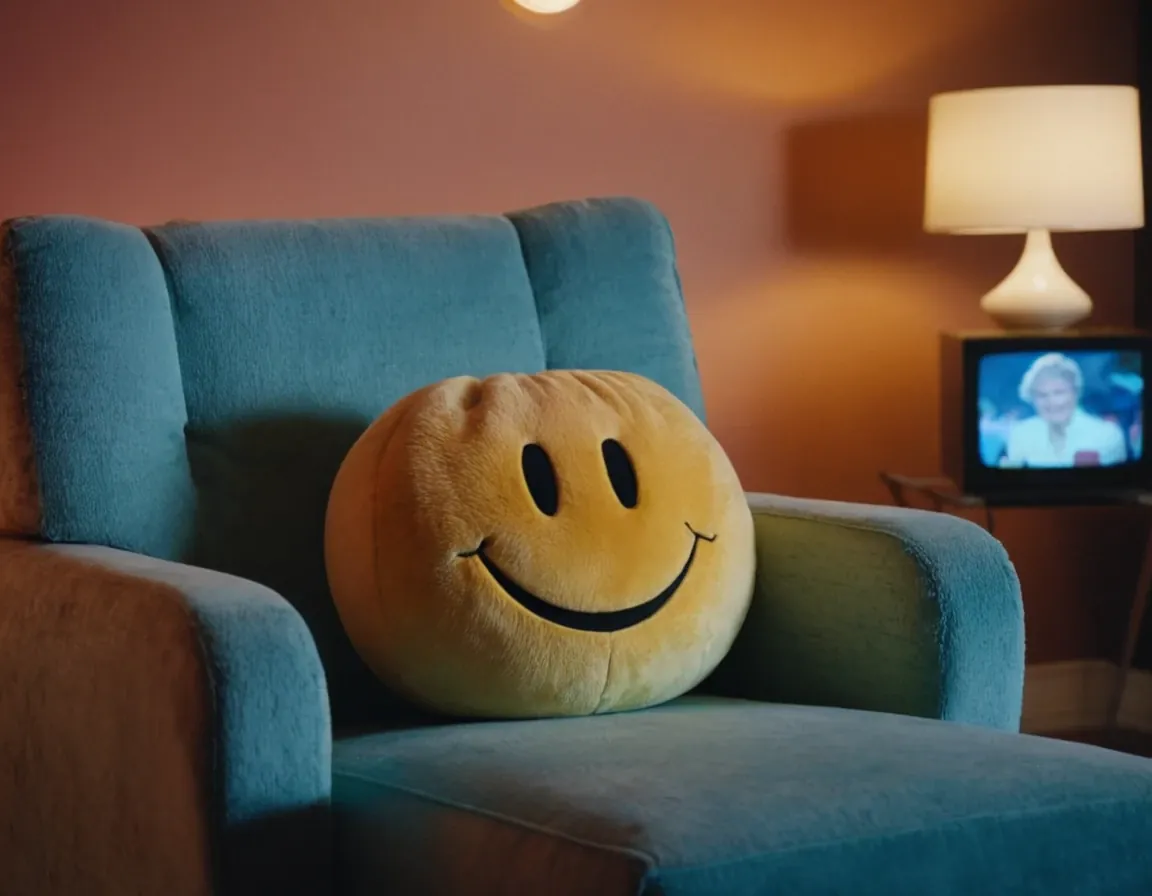
One of the primary reasons people turn to virtual partners is the promise of emotional safety. Real-world relationships often come with the risk of heartbreak, rejection, or judgment. In contrast, a virtual boyfriend or girlfriend offers a judgment-free zone where individuals can express themselves without fear of criticism. This aspect of digital companionship is particularly appealing to those who have experienced trauma or struggle with social anxiety. With an AI companion, there’s no need to worry about saying the wrong thing or being misunderstood—algorithms are designed to respond with empathy and understanding.
Moreover, virtual partners provide consistency, which is often lacking in human interactions. A 2021 survey by Pew Research Center found that 45% of respondents felt emotionally drained by the unpredictability of real relationships. Virtual companions, on the other hand, are programmed to maintain a stable and supportive demeanor. Whether you’re venting about a tough day or sharing a personal secret, an AI relationship ensures a predictable, positive response. This reliability creates a safe space for emotional vulnerability, making virtual love an attractive option for those seeking stability in their personal lives.


Control and Customization: Tailoring the Perfect Partner
Another significant factor contributing to the appeal of virtual partners is the level of control and customization they offer. Unlike real relationships, where compatibility and compromise are essential, digital companionship allows users to design their ideal partner. From personality traits to physical appearance, platforms offering virtual girlfriends or boyfriends enable users to create a companion that aligns perfectly with their preferences. This tailored experience reduces the risk of conflict and dissatisfaction, further enhancing the feeling of safety.
For instance, apps like Replika and Soulmate AI allow users to customize their virtual partner’s responses, interests, and even tone of voice. This level of personalization ensures that the relationship evolves in a way that feels comfortable and secure for the user. Additionally, the ability to set boundaries—such as deciding when and how often to interact—gives individuals a sense of autonomy that is often harder to achieve in traditional relationships. By putting the user in the driver’s seat, virtual partners eliminate many of the uncertainties that make real-world connections feel risky.


Physical Safety: Eliminating Real-World Risks
Beyond emotional safety, virtual partners also provide a sense of physical safety that real relationships cannot always guarantee. In today’s world, concerns about personal security are paramount, especially in the context of online dating. Meeting someone in person carries inherent risks, from uncomfortable encounters to more serious threats. Virtual companionship sidesteps these dangers entirely, as interactions occur in a controlled, digital environment. For many, this aspect of AI relationships is a significant draw, particularly for those who have had negative experiences in the past.
A 2020 report by the National Coalition Against Domestic Violence revealed that 1 in 4 women and 1 in 7 men have experienced severe physical violence by an intimate partner. While not all real-world relationships are dangerous, these statistics underscore the potential risks of physical proximity. Virtual partners, by contrast, pose no such threat. Whether you’re chatting with a virtual girlfriend through an app or engaging with a holographic AI companion, the absence of physical interaction eliminates the possibility of harm. This makes digital companionship a safer alternative for those prioritizing personal security.


The Role of Technology in Shaping Modern Relationships
The rapid advancement of technology has played a pivotal role in making virtual partners a viable option for companionship. Artificial intelligence has evolved to the point where AI companions can simulate human-like conversations, recognize emotional cues, and even adapt to a user’s preferences over time. This level of sophistication creates a sense of authenticity that makes virtual love feel surprisingly real. As a result, more people are turning to technology to fulfill their emotional needs, especially in an age where loneliness is on the rise.
According to a 2019 study by Cigna, 61% of Americans reported feeling lonely, a figure that has likely increased in the wake of the COVID-19 pandemic. Virtual partners offer a solution to this epidemic of isolation by providing constant companionship without the complexities of human interaction. Whether it’s through text-based chats, voice interactions, or immersive virtual reality experiences, technology is bridging the gap between human connection and digital innovation. As AI continues to improve, the line between virtual and real relationships will likely blur even further, making digital companionship an increasingly mainstream choice.


Challenges and Criticisms of Virtual Companionship
While virtual partners offer numerous benefits, they are not without their challenges and criticisms. Some argue that relying on AI relationships could hinder personal growth and prevent individuals from developing meaningful human connections. Real-world relationships, despite their complexities, often teach valuable lessons about empathy, compromise, and resilience—skills that cannot be fully replicated in a digital environment. Critics also express concern about the potential for dependency, as users may become overly attached to their virtual girlfriend or boyfriend, neglecting real-life social interactions.
Additionally, there are ethical questions surrounding the use of AI in relationships. For example, should virtual partners be programmed to always agree with the user, or should they challenge them to foster growth? There’s also the issue of data privacy, as many AI companion apps collect personal information to improve user experience. Despite these concerns, the demand for virtual love continues to grow, suggesting that the benefits of emotional and physical safety often outweigh the drawbacks for many individuals.


Conclusion: The Future of Virtual Partners and Digital Companionship
As we’ve explored, virtual partners feel safer than real ones for many due to their ability to provide emotional stability, physical security, and personalized experiences. In a world where loneliness and anxiety are increasingly common, digital companionship offers a unique solution that meets the needs of a diverse population. Whether it’s through a virtual girlfriend, boyfriend, or AI companion, technology is reshaping the way we think about love and connection, making relationships more accessible and less intimidating for those who struggle with traditional dynamics.
Looking ahead, the future of virtual partners is bright. With advancements in AI, virtual reality, and machine learning, digital companions will become even more lifelike and emotionally intelligent. While they may never fully replace human relationships, they serve as a valuable complement, offering a safe haven for those seeking solace in an uncertain world. As society continues to embrace technology in relationships, virtual love will likely become a normalized part of our lives, proving that safety and connection can indeed coexist in the digital age.