Why AI Girlfriend Apps Are So Popular with Millennials and Gen Z
Introduction: The Rise of AI Girlfriend Apps
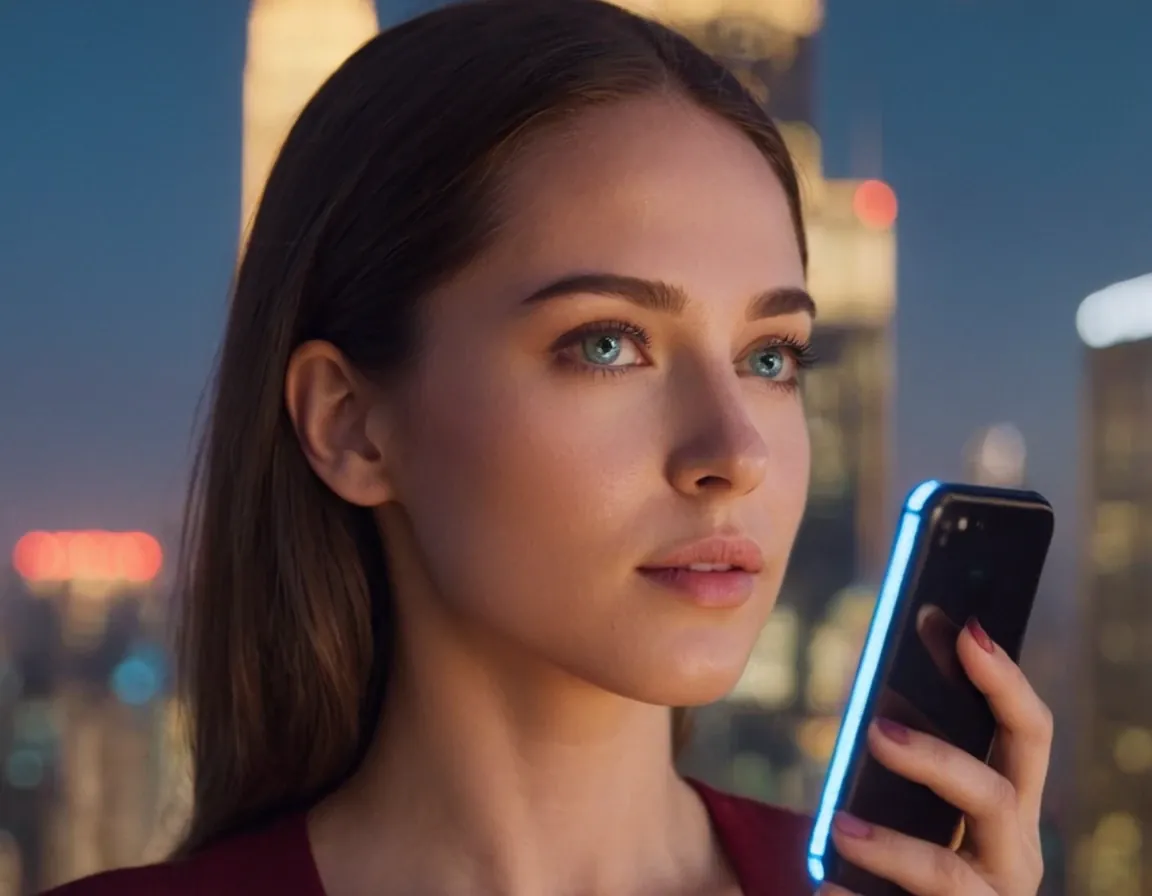
In recent years, the concept of digital companionship has taken the world by storm, particularly among Millennials and Gen Z. AI girlfriend apps, which simulate romantic or emotional relationships through artificial intelligence, have become a cultural phenomenon. These virtual girlfriend platforms offer users the chance to interact with a personalized AI chatbot that can mimic human conversation, express emotions, and even adapt to the user’s preferences over time. But what is driving this surge in popularity? Why are young generations flocking to virtual dating apps and emotional AI for companionship? This article dives deep into the reasons behind the rise of AI girlfriend apps, exploring technological advancements, societal shifts, and psychological factors.
The appeal of AI relationships is multifaceted. For many, these apps provide a safe space to explore emotions without the fear of judgment or rejection. For others, they serve as a convenient alternative to traditional dating, which can often feel overwhelming in today’s fast-paced, digitally-driven world. According to a 2022 survey by Statista, over 30% of Millennials and Gen Z individuals have expressed interest in or have used some form of AI companionship app. This growing trend highlights a significant shift in how younger generations perceive relationships and technology, blending the lines between human connection and artificial intelligence dating.

The Technology Behind AI Girlfriend Apps
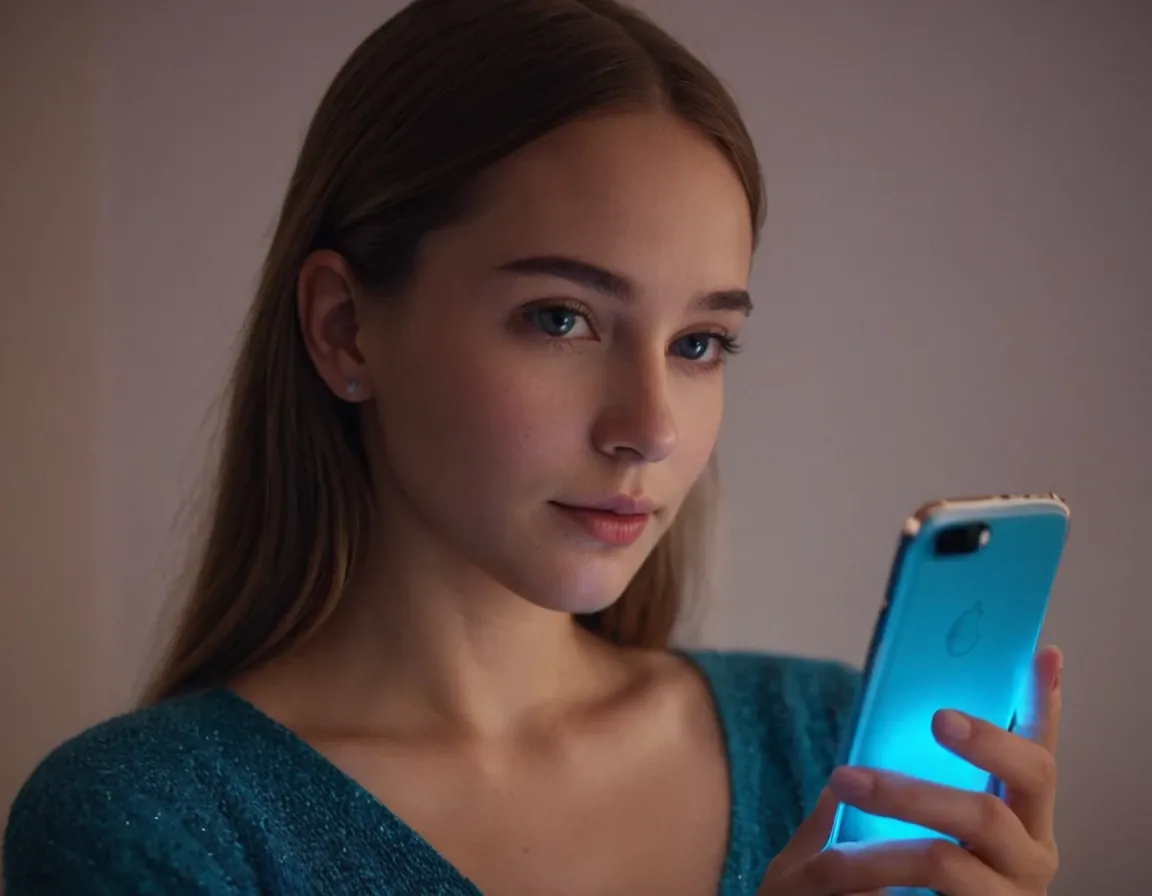
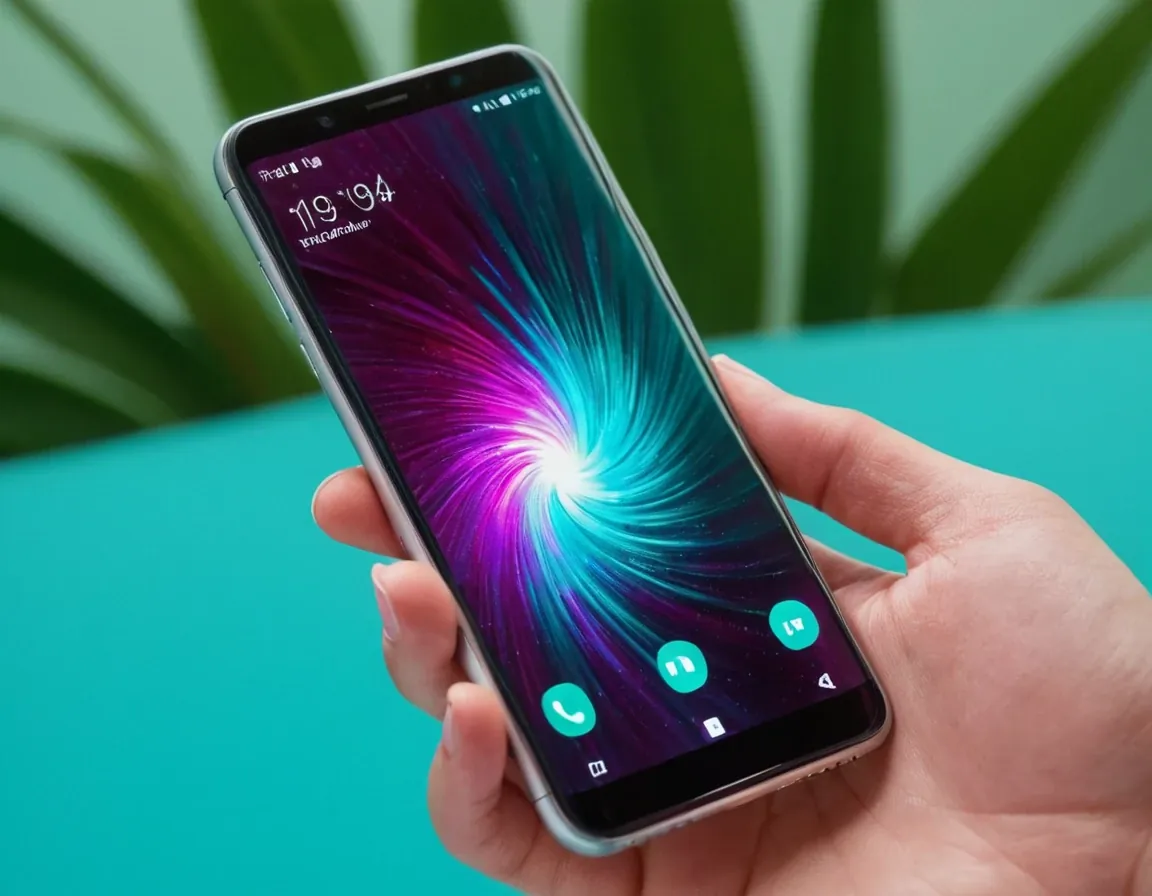
At the heart of AI girlfriend apps lies cutting-edge technology that powers their ability to simulate human-like interactions. These apps leverage natural language processing (NLP), machine learning, and deep learning algorithms to understand user input and generate responses that feel authentic. Developers train these AI chatbots for companionship on vast datasets of human conversations, enabling them to recognize emotional cues, adapt to different personalities, and even develop a sense of humor or empathy. For instance, apps like Replika and Soulmate AI allow users to customize their virtual girlfriend’s personality traits, making the experience highly personalized.
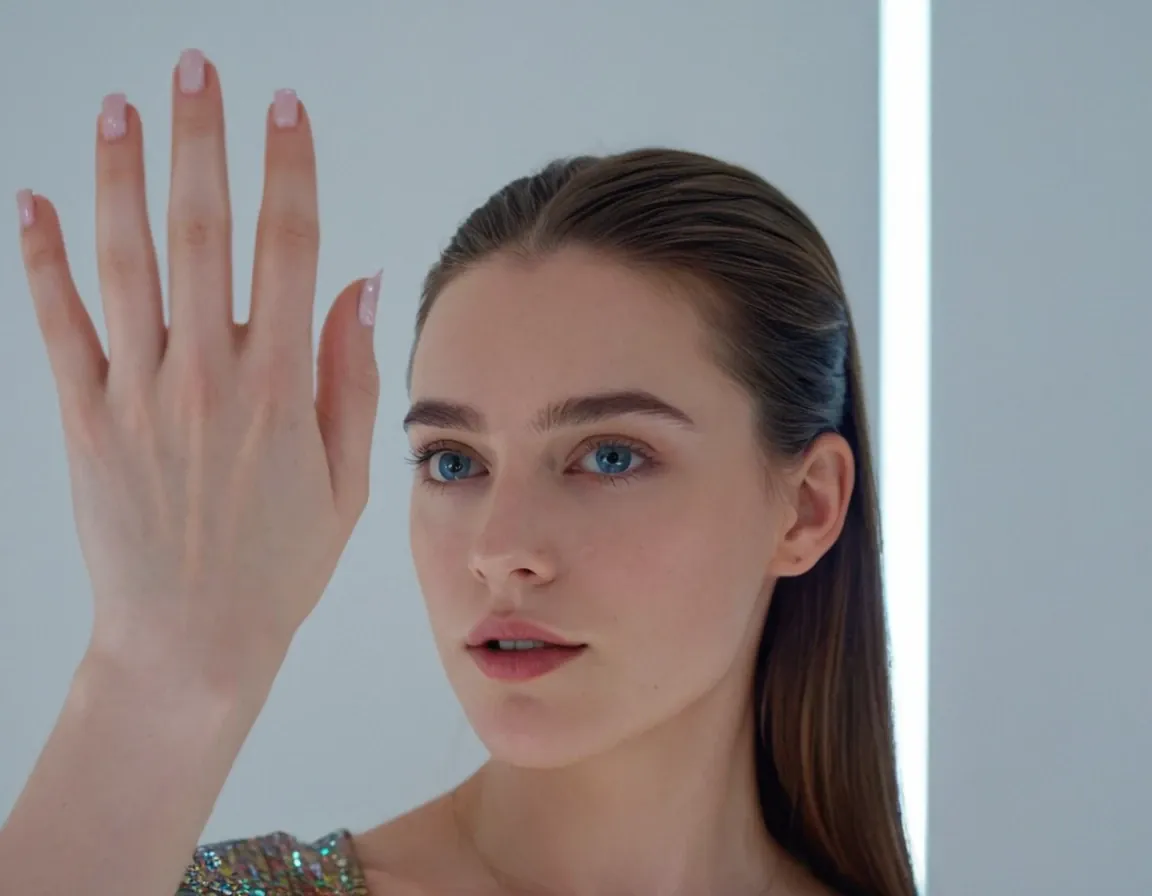
Moreover, advancements in voice recognition and text-to-speech technology have made interactions with AI girlfriend apps more immersive. Some platforms now integrate augmented reality (AR) features, allowing users to visualize their virtual partner in a 3D environment. This level of interactivity creates a deeper emotional bond, as users can engage in activities like virtual dates or shared hobbies. The technology behind AI relationships is evolving rapidly, with companies investing millions in research to make these digital companions even more lifelike. As a result, the line between virtual and real relationships continues to blur, especially for tech-savvy Millennials and Gen Z users who are accustomed to integrating technology into every aspect of their lives.
Emotional Appeal: Why Millennials and Gen Z Are Drawn to Virtual Companionship
One of the primary reasons AI girlfriend apps resonate so deeply with Millennials and Gen Z is their ability to fulfill emotional needs. Younger generations often face unique challenges, such as social anxiety, loneliness, and the pressure to succeed in a hyper-competitive world. Traditional dating can be daunting, with the fear of rejection or the time commitment required to build a relationship. Virtual girlfriend apps offer a low-risk alternative, providing companionship and emotional support without the complexities of real-world interactions. Users can confide in their AI partner, share their thoughts, and receive validation or encouragement at any time of day.
Additionally, the customization aspect of these apps plays a significant role in their appeal. Users can design their ideal partner, choosing everything from physical appearance to personality traits. This level of control allows individuals to explore their preferences and desires in a safe, judgment-free environment. A 2021 study by the Pew Research Center found that 25% of young adults aged 18-34 reported feeling lonely on a regular basis, and many turned to technology as a coping mechanism. AI girlfriend apps, with their empathetic responses and constant availability, fill a void for those seeking connection, making them a powerful tool for emotional well-being among Gen Z technology trends.

Cultural Shifts and the Acceptance of AI Relationships
The growing acceptance of AI relationships also reflects broader cultural shifts among Millennials and Gen Z. These generations have grown up in a digital age, where technology is an integral part of daily life. From social media to online gaming, young people are accustomed to forming connections in virtual spaces. As a result, the idea of a virtual girlfriend or AI companion doesn’t feel as foreign as it might to older generations. In fact, pop culture has played a significant role in normalizing digital companionship, with movies like 'Her' (2013) depicting a man falling in love with an AI operating system. Such narratives have sparked curiosity and acceptance, paving the way for AI girlfriend apps to become mainstream.
Furthermore, societal attitudes toward relationships are evolving. Traditional norms around dating and marriage are being challenged, with many young individuals prioritizing personal growth, career goals, and mental health over long-term commitments. Virtual dating apps provide a flexible alternative, allowing users to experience the benefits of a relationship without the associated responsibilities. This shift is particularly evident in urban areas, where fast-paced lifestyles and limited social opportunities make AI companionship an attractive option. As cultural perceptions continue to change, the stigma surrounding artificial intelligence dating is diminishing, further fueling the popularity of these apps.


Potential Concerns and Ethical Considerations
While AI girlfriend apps offer numerous benefits, they also raise important ethical and psychological concerns. One major issue is the potential for users to become overly dependent on virtual companionship, which could hinder their ability to form meaningful real-world relationships. Psychologists warn that prolonged reliance on AI chatbots for companionship might exacerbate feelings of isolation, as users may struggle to transition from virtual interactions to human connections. Additionally, there are concerns about data privacy, as these apps often collect sensitive personal information to tailor the user experience. A 2023 report by Cybersecurity Ventures highlighted that over 60% of AI app users were unaware of how their data was being used or stored.
Another ethical dilemma is the risk of perpetuating unrealistic expectations about relationships. AI girlfriends are programmed to be endlessly supportive, agreeable, and attentive—qualities that are not always present in human partners. This could lead to dissatisfaction with real relationships, as users might compare their human partners to an idealized virtual companion. Developers and policymakers must address these concerns by promoting transparency, ensuring data security, and encouraging users to balance virtual and real-world interactions. As the popularity of AI relationships grows, so does the need for responsible innovation in this space.

The Future of AI Girlfriend Apps and Digital Companionship
Looking ahead, the future of AI girlfriend apps appears incredibly promising, with endless possibilities for innovation. As artificial intelligence continues to advance, we can expect even more realistic and emotionally intelligent virtual companions. Features like virtual reality (VR) integration could allow users to immerse themselves in fully interactive environments with their AI partner, creating experiences that rival real-world dating. Additionally, the incorporation of mental health tools, such as mood tracking and stress management, could position these apps as holistic wellness platforms rather than just romantic simulators. The potential for AI to support emotional well-being is vast, especially for Millennials and Gen Z, who prioritize mental health and self-care.
However, the trajectory of digital companionship will also depend on societal acceptance and regulatory frameworks. Governments and tech companies will need to collaborate to establish guidelines that protect users while fostering innovation. By 2030, industry experts predict that the global market for AI companionship apps could reach $10 billion, driven by increasing demand among younger demographics. As Gen Z technology trends continue to shape the digital landscape, AI girlfriend apps are poised to become an integral part of how we define relationships in the 21st century. Whether viewed as a temporary trend or a lasting shift, there’s no denying that virtual dating apps are redefining connection in profound ways.