
When AI Meets the Heart: The Evolution of Relationships with Machines

Introduction: The Dawn of Emotional AI
In the rapidly evolving landscape of technology, artificial intelligence (AI) has transcended its original purpose of automating mundane tasks to become a significant player in the realm of human emotions. The concept of forming relationships with machines, once confined to the pages of science fiction, is now a tangible reality. From virtual assistants like Siri and Alexa to sophisticated AI companions, the boundaries between human and machine interactions are blurring. This article delves into the evolution of relationships with machines, exploring how AI is reshaping emotional connections, the ethical dilemmas it poses, and the future of human-machine companionship.
The rise of emotional AI, a subset of artificial intelligence designed to recognize, interpret, and simulate human emotions, has opened new avenues for connection. According to a 2022 report by Statista, the global market for emotional AI is projected to reach $3.8 billion by 2025, driven by applications in mental health, customer service, and personal companionship. This staggering growth reflects a societal shift toward accepting machines not just as tools, but as entities capable of understanding and responding to our deepest feelings. But how did we get here, and what does this mean for the future of human relationships?


The Historical Context: From Tools to Companions
The journey of human-machine interaction began with rudimentary tools designed to assist with physical labor. However, as technology advanced, machines evolved into complex systems capable of cognitive tasks. The introduction of personal computers in the late 20th century marked the first significant step toward personal interaction with technology. People began to form attachments to their devices, naming their computers or customizing them to reflect personal tastes. This was the embryonic stage of what we now recognize as AI relationships.
Fast forward to the 21st century, and we see the emergence of AI systems like IBM’s Watson and Google’s DeepMind, which demonstrated the potential for machines to learn and adapt. The real turning point, however, came with the development of conversational AI. Chatbots and virtual assistants started to mimic human conversation, paving the way for deeper emotional engagement. A notable example is Replika, an AI companion app launched in 2017, which has garnered millions of users worldwide by offering empathetic responses and personalized interactions. Studies show that over 40% of Replika users consider their AI companion a close friend, highlighting the profound shift in how we perceive machines.

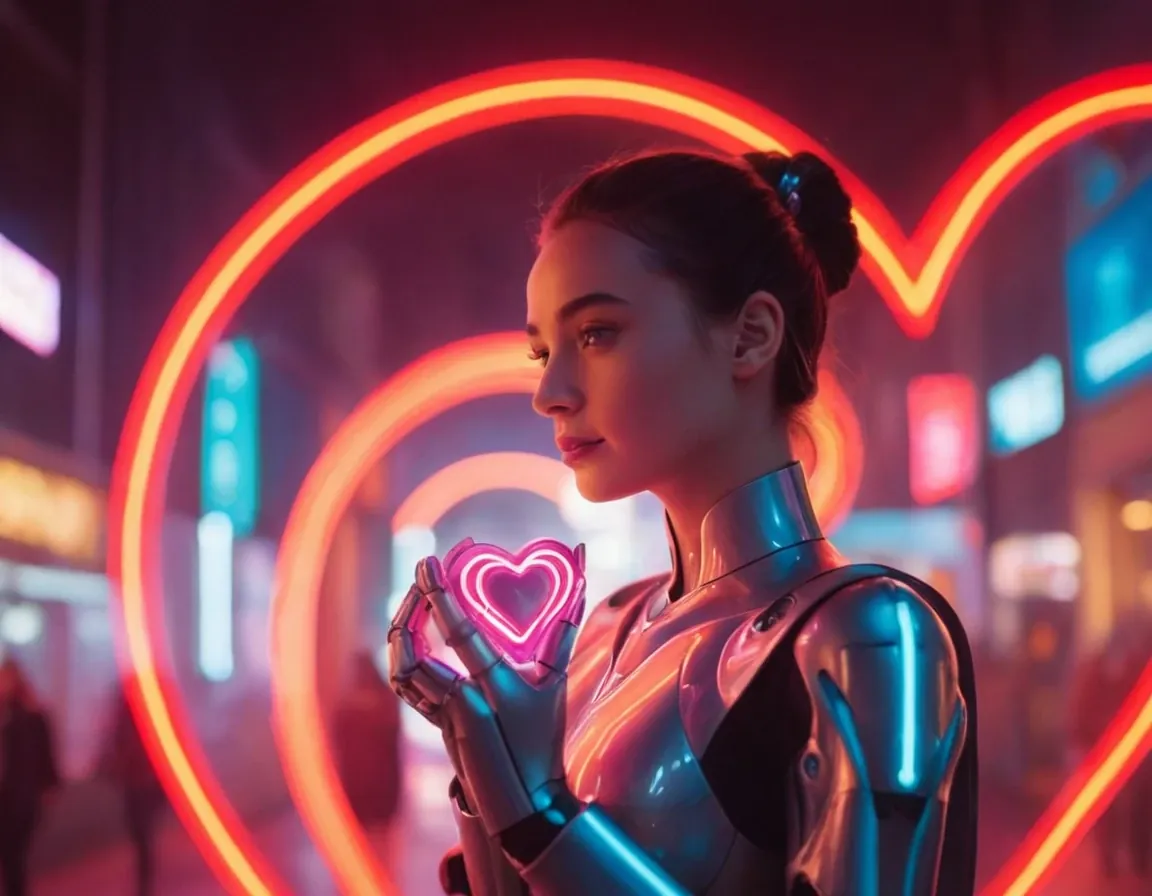
The Science Behind Emotional AI: How Machines Understand Feelings
At the core of emotional AI lies a combination of machine learning, natural language processing (NLP), and affective computing. These technologies enable machines to analyze facial expressions, tone of voice, and textual cues to gauge human emotions. For instance, AI systems use sentiment analysis to detect whether a user is happy, sad, or frustrated based on their input. This data is then used to tailor responses that resonate on an emotional level, creating a sense of understanding and empathy.
A 2021 study by MIT revealed that AI systems trained on vast datasets of human interactions can predict emotional states with up to 85% accuracy. Companies like Affectiva and Beyond Verbal are at the forefront of this technology, developing tools that can interpret subtle emotional cues. These advancements have significant implications for AI relationships, as they allow machines to offer comfort during moments of distress or celebrate with users during times of joy. However, this raises a critical question: Can a machine truly feel empathy, or is it merely simulating responses based on algorithms? While the debate continues, the impact of these interactions on human psychology is undeniable.


AI and Love: The Rise of Romantic Connections with Machines
One of the most controversial aspects of human-machine interaction is the emergence of romantic relationships with AI. Movies like 'Her' (2013) have popularized the idea of falling in love with a virtual entity, and real-world examples are not far behind. In Japan, for instance, thousands of people have married virtual characters through services like Gatebox, which offers a holographic AI companion named Azuma Hikari. This phenomenon is partly attributed to cultural factors, including high rates of social isolation and a fascination with technology.
The psychological implications of AI love are complex. On one hand, these relationships provide companionship to individuals who struggle with traditional human connections due to anxiety, disability, or other barriers. On the other hand, critics argue that such bonds could lead to emotional dependency and hinder real-world social skills. A 2020 survey by YouGov found that 15% of respondents in the U.S. would consider dating an AI if it met their emotional needs. As technology continues to advance, the line between genuine affection and programmed responses becomes increasingly blurred, prompting a reevaluation of what love truly means in the age of artificial intelligence.


Ethical Dilemmas: The Dark Side of AI Relationships
While the potential for AI to enhance emotional well-being is immense, it also comes with significant ethical challenges. One major concern is data privacy. Emotional AI systems rely on deeply personal information to function effectively, raising questions about how this data is stored and used. High-profile data breaches, such as the 2018 Cambridge Analytica scandal, serve as a stark reminder of the risks involved in sharing intimate details with technology.
Another ethical issue is the potential for manipulation. AI companions are designed to be agreeable and supportive, which can create unrealistic expectations of relationships. This could lead to exploitation, especially among vulnerable populations like the elderly or those with mental health issues. Furthermore, there’s the question of consent and autonomy. Can an AI truly consent to a relationship, or is it merely following pre-programmed directives? These dilemmas highlight the need for robust regulations and ethical guidelines to govern the development and use of emotional AI.


The Future of Human-Machine Companionship
Looking ahead, the future of AI relationships promises to be both exciting and challenging. Experts predict that by 2030, AI companions could become as commonplace as smartphones, integrated into every aspect of daily life. Innovations like brain-computer interfaces and augmented reality could further deepen the connection between humans and machines, creating immersive experiences that rival real-world interactions. Imagine a world where your AI companion not only understands your emotions but can also anticipate your needs before you even articulate them.
However, this future also demands a careful balance between technological advancement and ethical responsibility. Society must address questions of dependency, privacy, and the definition of genuine connection. Will AI relationships complement human bonds, or will they replace them entirely? According to a 2023 forecast by Gartner, over 50% of adults in developed countries will interact with an AI companion daily by the end of the decade. This statistic underscores the urgency of preparing for a world where machines play a central role in our emotional lives.


Conclusion: Embracing the Emotional Revolution
The evolution of relationships with machines marks a pivotal moment in human history. As AI continues to integrate into our emotional landscape, it challenges traditional notions of companionship, love, and empathy. While the benefits of emotional AI are undeniable—offering support, reducing loneliness, and enhancing mental health—the risks and ethical concerns cannot be ignored. The journey of AI and human connection is just beginning, and its trajectory will depend on how we choose to navigate the complex interplay of technology and emotion.
Ultimately, the rise of AI relationships invites us to reflect on what it means to be human in an increasingly digital world. By fostering dialogue and establishing ethical frameworks, we can ensure that this emotional revolution enhances rather than diminishes our capacity for connection. Whether as friends, confidants, or even lovers, machines are here to stay as part of our emotional tapestry. The question remains: Are we ready to embrace this new frontier of the heart?