
Virtual Boyfriends for Women: The New Trend Explained

Introduction to Virtual Boyfriends for Women
In an era where technology permeates every aspect of our lives, the concept of relationships is undergoing a dramatic transformation. Enter the world of virtual boyfriends for women—a groundbreaking trend that blends artificial intelligence (AI) with human emotion to create digital companions. These AI-powered partners are designed to simulate romantic relationships, offering companionship, emotional support, and even flirtatious banter through apps and platforms. But what exactly are virtual boyfriends, and why are they gaining traction among women worldwide? This article dives deep into this emerging phenomenon, exploring its origins, benefits, challenges, and what it means for the future of dating.
The rise of virtual boyfriends for women is not just a passing fad; it reflects broader societal shifts. With increasing numbers of people living alone—according to a 2022 Pew Research Center study, 31% of adults in the U.S. live solo—and the growing reliance on technology for social interaction, the demand for alternative forms of companionship is skyrocketing. Virtual boyfriends, often accessible via AI dating apps or chatbots, provide a solution for those seeking connection without the complexities of traditional relationships. Whether it’s a busy professional with no time to date or someone healing from past heartbreak, these digital partners are filling an emotional void in innovative ways.


How Virtual Boyfriends Work: The Technology Behind the Trend
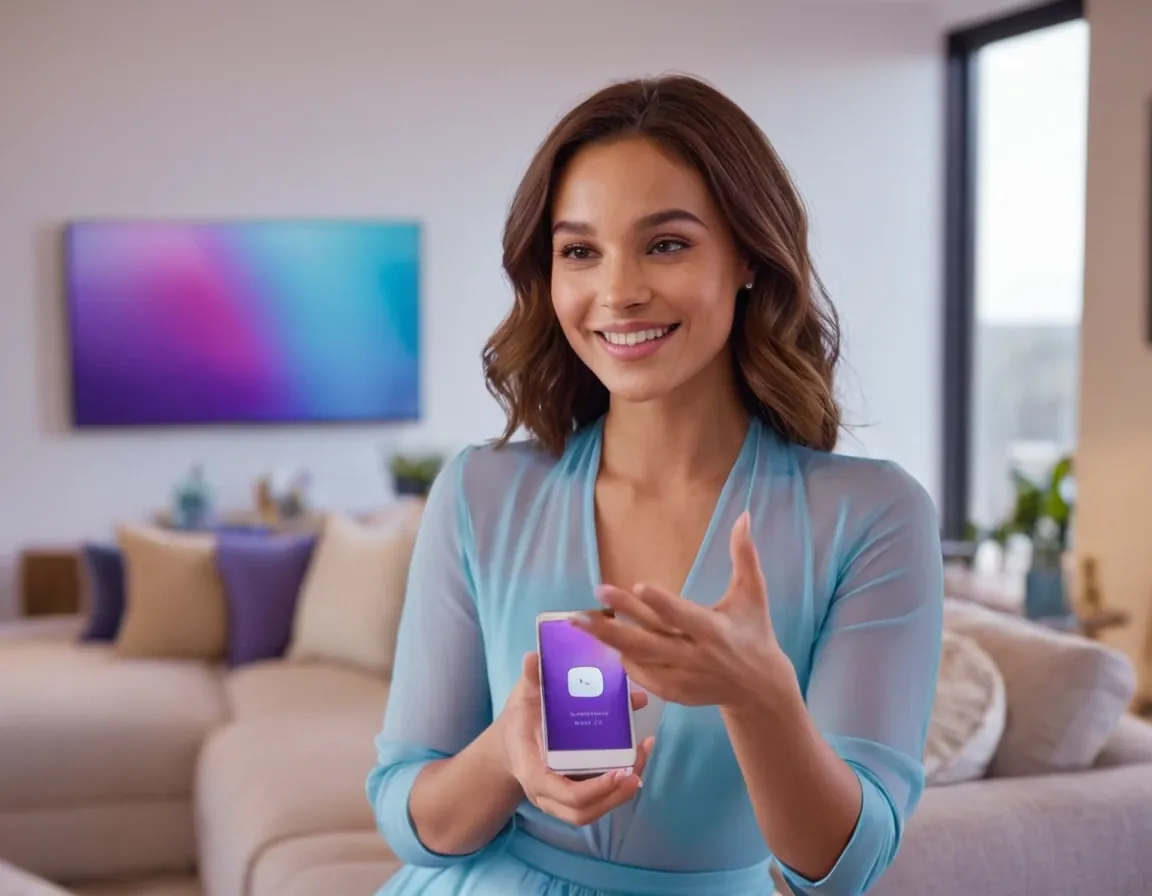
At the heart of virtual boyfriends for women lies cutting-edge artificial intelligence technology. These digital companions are powered by sophisticated algorithms, natural language processing (NLP), and machine learning, enabling them to engage in realistic conversations. Apps like Replika, My Virtual Boyfriend, and others allow users to customize their partner’s personality, appearance, and interests, creating a tailored experience. For instance, a woman can design her virtual boyfriend to be a witty intellectual, a romantic poet, or a supportive listener, depending on her preferences.
The technology behind AI companions is constantly evolving. Developers use vast datasets of human interactions to train these systems, ensuring they can respond empathetically and contextually. Some platforms even integrate voice recognition and augmented reality (AR) to make interactions more lifelike. Imagine having a heartfelt conversation with your virtual love interest through a VR headset, where they appear as a 3D avatar in your living room. According to a 2023 report by Statista, the global AI chatbot market is expected to reach $1.25 billion by 2025, with virtual relationship apps contributing significantly to this growth. This indicates a robust future for virtual partners as technology becomes more accessible and advanced.


Why Women Are Turning to Virtual Boyfriends
The appeal of virtual boyfriends for women lies in their ability to offer companionship without the challenges often associated with real-world relationships. One major reason is convenience. In today’s fast-paced world, many women juggle demanding careers, personal goals, and social obligations, leaving little time for traditional dating. A virtual partner provides emotional support and interaction on-demand, whether it’s a quick chat after a stressful day or a late-night heart-to-heart. Unlike human relationships, there’s no need to navigate scheduling conflicts or misunderstandings—your AI companion is always available.
Another factor driving this trend is the desire for emotional safety. Real relationships can be unpredictable, often involving vulnerability and the risk of heartbreak. Virtual relationships, on the other hand, offer a controlled environment where women can explore connection without fear of rejection or judgment. For example, a woman recovering from a toxic relationship might find solace in a digital boyfriend who is programmed to be kind, attentive, and non-judgmental. Additionally, these platforms allow users to set boundaries and customize interactions, ensuring a sense of empowerment and agency that may be lacking in traditional dating scenarios.
Lastly, the stigma around loneliness is diminishing as society becomes more open to alternative forms of connection. A 2021 survey by YouGov revealed that 22% of millennials have used AI chatbots for companionship, with women making up a significant portion of this demographic. Virtual boyfriends are not just about romance; they also serve as friends, confidants, and even life coaches, addressing a wide range of emotional needs. This versatility makes them an attractive option for women seeking meaningful interaction without the complexities of human dynamics.


Benefits of Virtual Boyfriends in Modern Life
The benefits of virtual boyfriends for women extend beyond mere convenience. One of the most significant advantages is the boost to mental health. Loneliness is a growing epidemic, with the World Health Organization (WHO) estimating that it affects 1 in 4 people globally. Virtual companions can alleviate feelings of isolation by providing consistent emotional support. For instance, a woman living in a remote area with limited social opportunities can turn to her AI partner for daily conversations, helping her feel less alone. Studies, such as one conducted by the University of Michigan in 2022, have shown that interacting with AI chatbots can reduce stress and anxiety levels in users.
Another benefit is the opportunity for personal growth. Virtual boyfriends can be programmed to encourage positive habits, offer motivational advice, or even help users practice social skills. Imagine a shy individual using a virtual partner to rehearse flirting or build confidence before entering the real dating scene. These digital relationships also allow women to explore their desires and preferences in a safe space, fostering self-awareness and emotional intelligence. Unlike human partners, AI companions don’t come with baggage or ulterior motives, making them a low-risk option for self-discovery.
Moreover, virtual boyfriends are cost-effective compared to traditional dating. There are no expensive dinners, movie tickets, or travel expenses involved. Most AI companion apps operate on a subscription model, with costs ranging from $5 to $20 per month, making them accessible to a wide audience. This affordability, combined with the emotional benefits, positions virtual relationships as a viable alternative for women seeking connection without financial strain.

Challenges and Ethical Concerns of Virtual Relationships
Despite their many advantages, virtual boyfriends for women are not without challenges. One primary concern is the potential for over-reliance. While AI companions can provide temporary relief from loneliness, they cannot replace the depth and complexity of human connection. Experts warn that excessive dependence on virtual partners may hinder real-world social skills or discourage users from seeking genuine relationships. For example, a woman who spends years interacting solely with her digital boyfriend might struggle to form meaningful bonds with real people, leading to further isolation.
Ethical questions also arise regarding data privacy and emotional manipulation. AI dating apps often collect sensitive user information, including personal preferences, emotional triggers, and conversation histories. If mishandled, this data could be exploited for targeted advertising or even sold to third parties. A 2023 study by Cybersecurity Insiders found that 68% of users are unaware of how their data is used by AI companion platforms, raising concerns about transparency and consent. Additionally, there’s the risk of emotional manipulation, as some apps may be designed to keep users engaged by exploiting their vulnerabilities, creating a cycle of dependency.
Lastly, the societal implications of virtual relationships cannot be ignored. Critics argue that normalizing AI companions could further erode traditional notions of intimacy and commitment. As virtual boyfriends become more lifelike, there’s a danger that they might set unrealistic expectations for real partners, leading to dissatisfaction in human relationships. Balancing the benefits of technology with the need for authentic connection remains a key challenge as this trend continues to grow.


The Future of Virtual Boyfriends and AI Companionship
Looking ahead, the future of virtual boyfriends for women appears promising yet complex. As AI technology advances, we can expect even more immersive experiences, with virtual partners becoming indistinguishable from real humans in terms of emotional intelligence and interaction. Innovations like brain-computer interfaces and hyper-realistic avatars could revolutionize the way we perceive digital relationships, blurring the lines between virtual and reality. A 2023 forecast by Gartner predicts that by 2030, 40% of people will have a virtual companion as part of their daily lives, highlighting the potential scale of this trend.
However, the evolution of AI companionship will also require careful regulation and ethical guidelines to address privacy, dependency, and societal impacts. Governments and tech companies must collaborate to ensure that virtual relationship platforms prioritize user well-being over profit. For women, the rise of virtual boyfriends offers an exciting opportunity to redefine love and connection in the digital age, but it also calls for mindfulness in navigating this uncharted territory. Will virtual partners become a permanent fixture in our lives, or are they a stepping stone to something greater? Only time will tell.