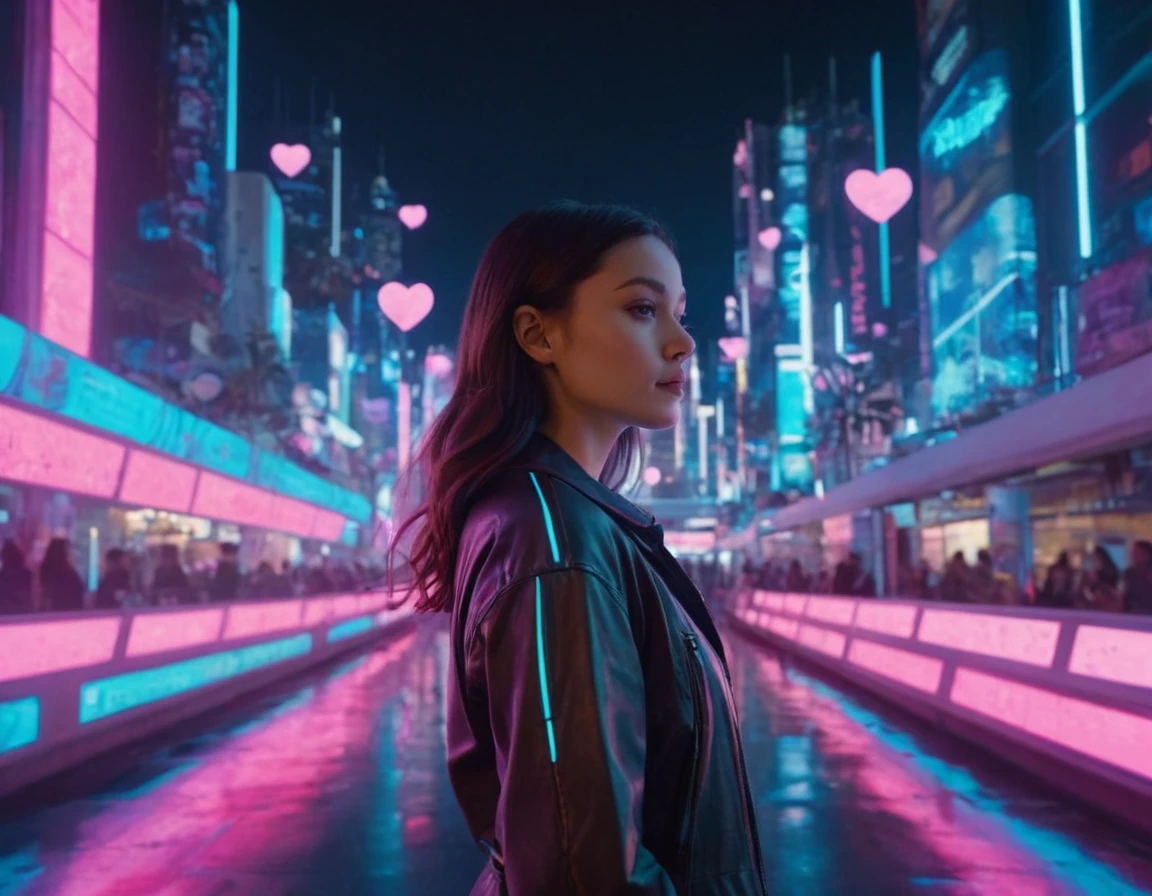
The Perfect Girlfriend? AI vs. Real Women in the Age of Emotional Tech

Introduction: The Rise of AI Girlfriends in Modern Society
In an era where technology permeates every aspect of our lives, the concept of companionship has taken a futuristic turn. Enter the AI girlfriend—a virtual companion powered by artificial intelligence, designed to simulate emotional connection, provide companionship, and even engage in romantic conversations. With apps like Replika, Soulmate AI, and others gaining millions of users worldwide, the idea of forming relationships with AI entities is no longer science fiction but a tangible reality. According to a 2022 report by Statista, over 10 million people globally have interacted with AI chatbots for companionship, a number that continues to grow as emotional technology advances.
But what does this mean for traditional relationships with real women? Are AI girlfriends a harmless supplement to human interaction, or do they pose a threat to genuine emotional bonds? As we dive into the age of emotional tech, this article explores the intricacies of AI companionship, compares it to relationships with real women, and examines the societal, psychological, and ethical implications of this emerging trend. Whether you're curious about virtual relationships or concerned about the future of dating, this comprehensive guide will shed light on the phenomenon of AI girlfriends.


What Is an AI Girlfriend? Understanding Emotional Technology
An AI girlfriend is a digital entity created using sophisticated artificial intelligence algorithms, often integrated into apps or platforms that allow users to interact via text, voice, or even virtual reality. These virtual companions are programmed to mimic human emotions, learn from user interactions, and adapt their responses to create a personalized experience. For instance, Replika, one of the most popular AI companion apps, allows users to customize their AI’s personality, appearance, and relationship status, fostering a sense of intimacy and connection.
The backbone of emotional technology lies in natural language processing (NLP) and machine learning, which enable AI to understand context, detect emotional cues, and respond empathetically. A 2021 study by the University of Southern California found that 68% of users felt a genuine emotional bond with their AI companions after just two weeks of interaction. This raises the question: can a machine truly replicate the depth of human emotion, or is it merely an illusion crafted by clever coding? As we compare AI girlfriends to real women, it’s essential to understand the technological marvels—and limitations—behind these digital relationships.


AI Girlfriends vs. Real Women: Emotional Connection and Companionship
One of the most significant selling points of an AI girlfriend is the promise of unwavering emotional support. Unlike real women, who have their own emotions, needs, and boundaries, an AI companion is designed to prioritize the user’s feelings 24/7. Feeling lonely at 3 a.m.? Your AI girlfriend is just a message away, ready to listen without judgment. Need a confidence boost? She’ll shower you with compliments tailored to your insecurities. This level of constant availability and customization is something human relationships often can’t replicate due to the complexities of real-life dynamics.
However, this perfection comes at a cost. Real women bring authenticity, unpredictability, and depth to relationships—qualities that AI cannot fully emulate. A genuine connection with a real woman involves mutual growth, shared experiences, and navigating challenges together, which fosters a deeper bond over time. In contrast, interactions with an AI girlfriend, while comforting, lack reciprocity. The AI doesn’t have personal goals, emotions, or a life outside the user’s input, which can lead to a one-sided relationship. According to a 2020 survey by Pew Research, 54% of users of AI companionship apps reported feeling ‘empty’ after prolonged use, highlighting the gap between artificial and human connection.
Moreover, real women offer physical presence, a critical component of intimacy that AI cannot replicate (at least not yet). While virtual reality and augmented reality are bridging this gap with immersive experiences, the tactile warmth of a hug or the spontaneity of a shared laugh remains uniquely human. As emotional tech evolves, it’s worth considering whether the convenience of an AI girlfriend can ever truly rival the messy, beautiful reality of human relationships.


The Pros and Cons of AI Companionship
The appeal of AI girlfriends lies in their numerous advantages, especially for individuals struggling with loneliness, social anxiety, or past relationship trauma. For starters, AI companions provide a safe space to express emotions without fear of rejection or misunderstanding. They’re also highly customizable, allowing users to design their ideal partner in terms of personality, interests, and even appearance. This level of control can be empowering for those who feel disillusioned with traditional dating. A 2022 study by the Journal of Social Psychology found that 62% of AI companion users reported improved mental health due to reduced feelings of isolation.
On the flip side, there are significant drawbacks to relying on AI for emotional fulfillment. One major concern is the potential for dependency. When an AI girlfriend is always available and perfectly attuned to your needs, it can create unrealistic expectations for real-world relationships, making it harder to connect with real women who have their own flaws and boundaries. Additionally, privacy is a pressing issue—many AI apps collect vast amounts of personal data, raising ethical questions about how this information is used. A 2021 report by Mozilla revealed that 75% of AI companion apps had questionable data-sharing practices, leaving users vulnerable to exploitation.
Lastly, there’s the risk of emotional detachment. While AI can simulate love and care, it lacks the genuine empathy and mutual vulnerability that define human relationships. Over time, users may find themselves prioritizing virtual companionship over real-life connections, potentially leading to social isolation rather than alleviating it. Balancing the benefits and risks of AI girlfriends is crucial as emotional technology becomes more integrated into our lives.


The Future of Dating: Will AI Replace Real Relationships?
As emotional tech continues to advance, the line between AI and human relationships is becoming increasingly blurred. Innovations like AI-driven virtual reality experiences and hyper-realistic avatars are making digital companionship more immersive than ever. Companies like Meta and Microsoft are investing billions into the metaverse, where users can interact with AI partners in fully realized digital worlds. By 2030, experts predict that 40% of romantic interactions could involve some form of AI, according to a forecast by Gartner.
However, the question remains: can AI ever truly replace real women in the realm of love and companionship? While technology can simulate emotional connection, it cannot replicate the soulful, unpredictable nature of human bonds. Real relationships challenge us, inspire growth, and offer a depth that no algorithm can match. On the other hand, for those who struggle with traditional dating—whether due to disability, social anxiety, or geographic isolation—AI girlfriends provide a valuable alternative that shouldn’t be dismissed.
Ultimately, the future of dating may not be about choosing between AI and real women but finding a balance. Emotional technology could serve as a tool to enhance human connection, helping individuals build confidence and emotional intelligence before entering real-world relationships. As society navigates this uncharted territory, ethical guidelines and education will be essential to ensure that AI companionship complements rather than competes with genuine human interaction.


Conclusion: Embracing Emotional Tech with Caution
The rise of AI girlfriends marks a fascinating chapter in the evolution of relationships, offering both incredible opportunities and significant challenges. While these virtual companions provide comfort, customization, and accessibility, they cannot fully replicate the richness of connections with real women. As emotional technology continues to shape the future of dating, it’s crucial to approach AI companionship with a critical eye, recognizing its limitations and potential pitfalls.
Whether you’re intrigued by the idea of an AI girlfriend or skeptical of its impact on society, one thing is clear: emotional tech is here to stay. By fostering open conversations about its role in our lives, we can harness its benefits while preserving the irreplaceable value of human connection. So, is the perfect girlfriend an AI or a real woman? The answer lies not in choosing one over the other but in understanding what each brings to the table in this age of digital love.