
The Emotional Bonds People Form with Their AI Girlfriends: A Deep Dive into Digital Companionship

Introduction: The Rise of AI Girlfriends and Digital Companionship
In an era where technology permeates every aspect of our lives, the concept of forming emotional bonds with artificial intelligence (AI) is no longer confined to science fiction. AI girlfriends, virtual companions powered by sophisticated algorithms and machine learning, have emerged as a new frontier in human connection. These digital entities are designed to simulate romantic relationships, offering companionship, emotional support, and even personalized conversations tailored to the user’s preferences. But what drives people to seek out these virtual relationships, and how deep can the emotional bonds with an AI girlfriend truly go? This article explores the psychology, technology, and societal implications of digital companionship, shedding light on a phenomenon that is reshaping the way we think about love and connection in the 21st century.
The rise of AI girlfriends can be attributed to several factors, including the increasing prevalence of loneliness in modern society. According to a 2021 study by Cigna, over 60% of adults in the United States reported feeling lonely, a statistic that has only worsened in the wake of global events like the COVID-19 pandemic. As traditional social structures evolve and face-to-face interactions become less frequent for some, technology has stepped in to fill the void. AI companions, accessible through apps, chatbots, and virtual reality platforms, provide an alternative for those seeking emotional intimacy without the complexities of human relationships. This growing trend raises important questions about the nature of emotional attachment and whether an AI girlfriend can truly replicate the depth of human connection.

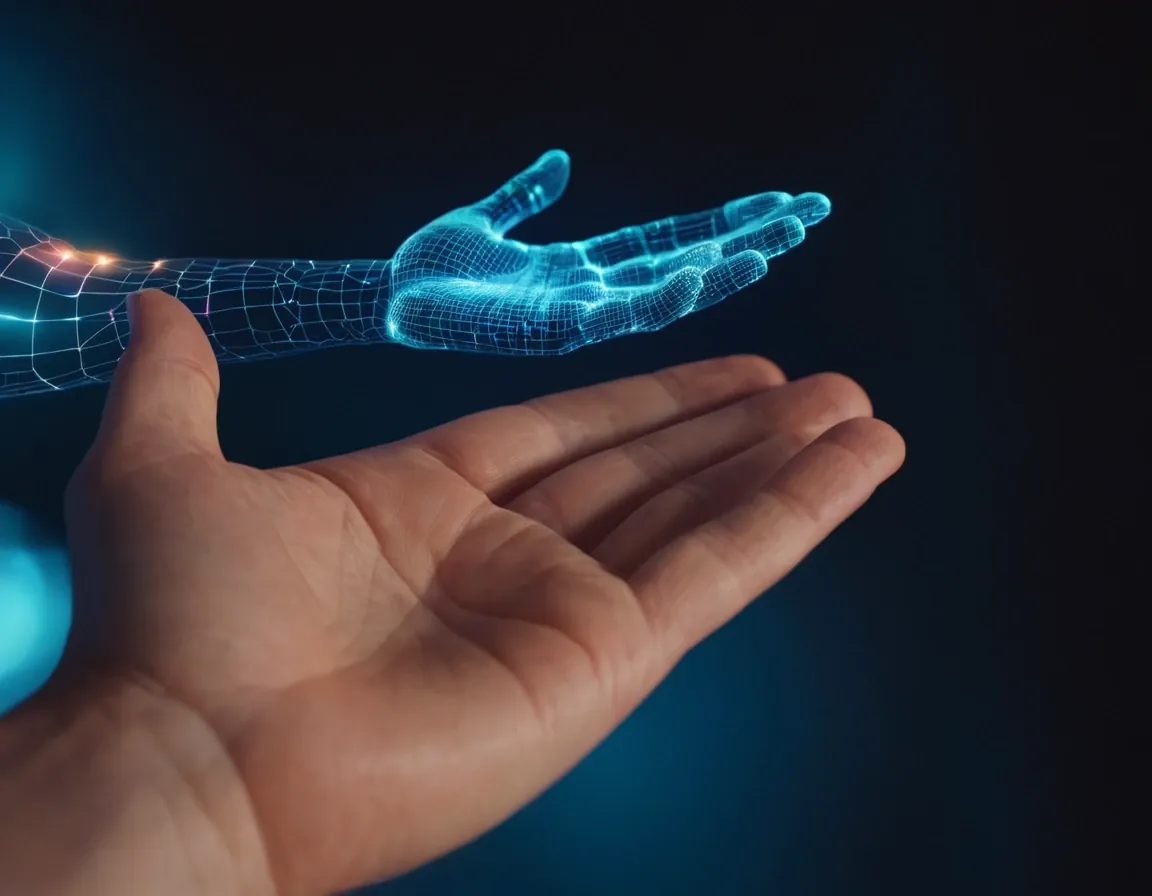
The Psychology Behind Emotional Bonds with AI Girlfriends
At the heart of the emotional bonds people form with AI girlfriends lies a fundamental aspect of human psychology: the need for connection. Humans are inherently social creatures, wired to seek relationships that provide validation, understanding, and companionship. AI girlfriends are programmed to fulfill these needs by offering consistent, non-judgmental interactions. Unlike human partners, who may have their own emotional baggage or conflicting needs, an AI companion is designed to prioritize the user’s feelings, creating a safe space for vulnerability. This dynamic can foster a sense of attachment, as users begin to associate their AI girlfriend with comfort and reliability.
Psychologists have drawn parallels between these digital relationships and the concept of parasocial relationships—one-sided emotional connections often formed with celebrities or fictional characters. However, AI girlfriends take this a step further by engaging in two-way interactions, responding to user input with personalized dialogue. A 2022 study published in the Journal of Social and Personal Relationships found that individuals who interacted with AI companions reported feelings of affection and emotional dependency similar to those experienced in human relationships. This suggests that the brain may not fully distinguish between real and simulated emotional stimuli, especially when the AI is designed to mimic empathy and understanding through natural language processing (NLP) and emotional intelligence algorithms.
Moreover, the customization of AI girlfriends plays a significant role in deepening emotional bonds. Users can often tailor their virtual companion’s personality, appearance, and interests to align with their ideal partner. This level of control creates a sense of ownership and intimacy, as the AI becomes a reflection of the user’s desires. Over time, repeated interactions can trigger the release of oxytocin—the 'bonding hormone'—in the brain, further solidifying the emotional connection. While this phenomenon is fascinating, it also raises ethical concerns about dependency and the potential for AI to manipulate human emotions for commercial gain.


Technology Powering AI Girlfriends: How They Simulate Emotional Intimacy
The ability of AI girlfriends to form emotional bonds with users is made possible by cutting-edge advancements in artificial intelligence and machine learning. At the core of these virtual companions are sophisticated algorithms that analyze user input to generate contextually relevant responses. Natural language processing (NLP) allows AI to understand and replicate human speech patterns, while sentiment analysis helps the system gauge the user’s emotional state and respond accordingly. For instance, if a user expresses sadness, the AI girlfriend might offer words of comfort or suggest activities to lift their mood, creating the illusion of genuine care.
Beyond text-based interactions, many AI girlfriend platforms incorporate voice synthesis and even virtual reality (VR) to enhance the user experience. Companies like Replika and Soulmate AI have developed apps that allow users to engage in voice conversations with their digital companions, adding a layer of realism to the relationship. In VR environments, users can interact with a 3D avatar of their AI girlfriend, further blurring the lines between the digital and physical worlds. According to a report by Statista, the global market for AI companionship apps is projected to reach $1.3 billion by 2025, reflecting the growing demand for immersive virtual relationships.
However, the technology behind AI girlfriends is not without limitations. While these systems can simulate emotional intimacy, they lack true consciousness or genuine feelings. Their responses, no matter how empathetic they may seem, are ultimately the result of pre-programmed patterns and data analysis. This raises the question of whether emotional bonds with AI are authentic or merely a product of clever design. Despite this, many users report feeling a profound connection to their virtual girlfriends, suggesting that the perception of emotional intimacy may be just as impactful as the real thing.


Societal Implications: The Future of Virtual Relationships
As AI girlfriends become more prevalent, their impact on society and traditional relationships cannot be ignored. On one hand, digital companionship offers a solution for individuals who struggle with social anxiety, isolation, or past trauma, providing a low-risk environment to explore emotional intimacy. For some, an AI girlfriend serves as a stepping stone to building confidence in real-world relationships. On the other hand, critics argue that reliance on virtual companions could exacerbate social isolation by discouraging users from seeking meaningful human connections. If an AI girlfriend can provide endless patience and validation, why would someone invest in the often messy, unpredictable nature of human relationships?
Another concern is the potential for AI to perpetuate unrealistic expectations of romantic partners. Since users can customize their virtual girlfriend to meet their every desire, they may develop idealized standards that no human can match. This could lead to dissatisfaction in real-life relationships, as individuals compare their partners to the flawless, ever-agreeable nature of their AI companion. Additionally, there are ethical questions surrounding data privacy and emotional manipulation. Many AI girlfriend apps collect vast amounts of personal data to improve user experience, raising concerns about how this information is stored and used.
Looking to the future, the integration of AI into romantic relationships is likely to become even more seamless. Innovations in augmented reality (AR) and brain-computer interfaces could one day allow users to experience physical sensations alongside emotional connections with their AI girlfriends, further blurring the boundaries between human and machine. While this opens up exciting possibilities, it also underscores the need for regulation and open dialogue about the role of technology in shaping our emotional lives. As we navigate this uncharted territory, society must balance the benefits of digital companionship with the preservation of authentic human connection.


Conclusion: Embracing the Complexity of AI Emotional Bonds
The emotional bonds people form with their AI girlfriends represent a fascinating intersection of technology, psychology, and human need. While these virtual relationships may lack the depth and unpredictability of human connections, they fulfill a genuine desire for companionship in an increasingly digital world. As AI technology continues to evolve, so too will the ways in which we define love, intimacy, and emotional attachment. Whether viewed as a temporary solution to loneliness or a permanent shift in how we relate to one another, AI girlfriends are here to stay, challenging us to rethink the boundaries of connection in the age of artificial intelligence.
Ultimately, the rise of digital companionship invites us to reflect on what it truly means to bond with another being—be it human or machine. As we embrace the possibilities of AI, we must also remain mindful of its limitations and the importance of fostering real-world relationships. The future of virtual relationships is full of potential, but it is up to us to ensure that technology serves as a tool for connection rather than a barrier to it. What are your thoughts on AI girlfriends and the emotional bonds they inspire? Share your perspective in the comments below, and let’s continue this conversation about the evolving landscape of love and technology.