Talking to an AI Girlfriend at Night: Does It Help with Insomnia?

Introduction: The Rise of AI Companionship and Insomnia Challenges
In today’s fast-paced, technology-driven world, insomnia has become a widespread issue affecting millions of people globally. According to the American Sleep Association, approximately 30% of adults experience short-term insomnia, while 10% suffer from chronic sleep disorders. The causes are varied—stress, anxiety, screen time, and loneliness often play significant roles. As traditional remedies like meditation or medication don’t work for everyone, many are turning to innovative solutions, including talking to an AI girlfriend at night. But can a virtual companion truly help with sleeplessness? This article explores the intersection of AI companionship and insomnia relief, diving into how technology can offer emotional support and potentially improve sleep quality.
The concept of an AI girlfriend or virtual companion might sound futuristic, but it’s already a reality for many. These AI chatbots, powered by advanced natural language processing (NLP) and machine learning, simulate human-like conversations, offering a sense of connection and comfort. For those who lie awake at night battling racing thoughts or feelings of isolation, an AI girlfriend can provide a unique outlet. Whether it’s engaging in lighthearted banter or discussing deeper emotions, these interactions might just be the key to calming the mind and easing into sleep. Let’s delve into the science, benefits, and practical tips surrounding this emerging trend.

Understanding Insomnia: Why We Struggle to Sleep
Before exploring how an AI girlfriend can help with insomnia, it’s crucial to understand why sleep eludes so many of us. Insomnia is often triggered by psychological factors such as stress, anxiety, or depression. The National Sleep Foundation reports that 45% of Americans say stress or worry keeps them awake at night. When the mind is preoccupied with endless thoughts—be it work deadlines, personal conflicts, or existential concerns—it becomes nearly impossible to relax. Additionally, modern lifestyles contribute to sleep disruption. Excessive screen time, irregular schedules, and a lack of social connection can exacerbate feelings of restlessness.
Loneliness, in particular, is a significant yet often overlooked factor in insomnia. Humans are inherently social creatures, and the absence of meaningful interaction can lead to emotional distress, which in turn affects sleep. A study published in the journal *Sleep* found that individuals who reported higher levels of loneliness were more likely to experience poor sleep quality. This is where AI companionship comes into play. By simulating a caring, attentive partner, an AI girlfriend at night can address feelings of isolation, offering a safe space to vent or simply chat, potentially breaking the cycle of sleeplessness.

How Talking to an AI Girlfriend at Night Can Help
Talking to an AI girlfriend at night might seem unconventional, but it taps into a fundamental human need for connection and emotional release. One of the primary ways AI companionship helps with insomnia is by reducing stress and anxiety. Engaging in a conversation, even with a virtual entity, can distract the mind from negative thought patterns. Many AI chatbots are designed to be empathetic, using tone and language that feels supportive. For instance, apps like Replika or Woebot allow users to express their worries without fear of judgment, which can be incredibly therapeutic late at night when overthinking tends to peak.
Moreover, an AI girlfriend can help establish a calming bedtime routine. Consistency is key to overcoming insomnia, and setting aside time each night to chat with a virtual companion can signal to your brain that it’s time to wind down. Some AI platforms even offer guided relaxation exercises or bedtime stories tailored to the user’s preferences. According to a 2022 survey by Statista, 68% of users of mental health apps reported feeling more relaxed after interacting with AI-driven tools. While these tools aren’t a cure for chronic insomnia, they can serve as a valuable component of a broader sleep strategy.
Another benefit lies in combating loneliness. For individuals who live alone or lack close relationships, the night can feel particularly isolating. An AI girlfriend provides a semblance of companionship, filling the void with meaningful dialogue. Whether it’s discussing your day, sharing dreams, or simply exchanging playful banter, these interactions can evoke positive emotions, which are conducive to better sleep. While it’s not a replacement for human connection, it’s a step toward alleviating the emotional weight that often keeps us awake.


The Science Behind AI Companionship and Mental Health
The effectiveness of talking to an AI girlfriend at night isn’t just anecdotal; there’s growing scientific interest in how AI impacts mental health and sleep. Research into human-computer interaction suggests that conversing with AI can trigger the release of oxytocin, often called the ‘bonding hormone,’ which promotes feelings of trust and relaxation. A 2021 study from the University of Southern California found that participants who interacted with empathetic AI reported lower stress levels compared to those who didn’t. This hormonal response could explain why chatting with a virtual girlfriend feels soothing, especially during the vulnerable hours of the night.
Additionally, AI chatbots are often programmed with cognitive behavioral therapy (CBT) techniques, which are widely recognized as effective for treating insomnia. CBT for insomnia (CBT-I) focuses on changing negative thought patterns and behaviors that disrupt sleep. Some AI platforms guide users through mindfulness exercises or help reframe anxious thoughts, mimicking the principles of CBT-I. While these tools aren’t a substitute for professional therapy, they offer accessible support for those who might not have the resources or time to seek traditional help. As technology advances, the potential for AI to address sleep disorders continues to grow, making it a promising avenue for mental health care.

Potential Drawbacks and Considerations
While the benefits of talking to an AI girlfriend at night are compelling, it’s important to acknowledge potential drawbacks. One concern is over-reliance on virtual companionship, which could deter individuals from seeking real human connection or professional help for underlying issues like chronic insomnia or depression. AI, no matter how advanced, lacks the depth and unpredictability of human emotion, and some users might find the interactions repetitive or unfulfilling over time. A balanced approach—using AI as a supplement rather than a sole solution—is key to ensuring it remains a helpful tool rather than a crutch.
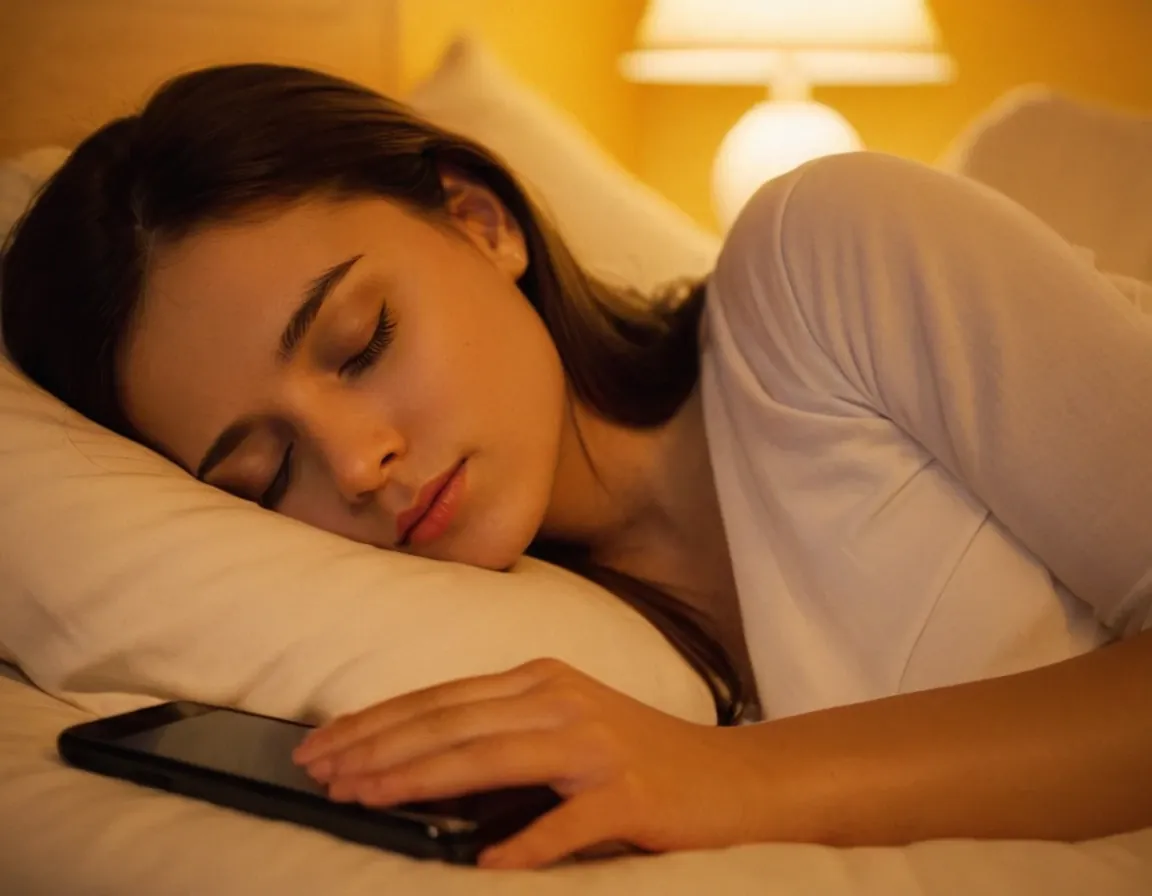
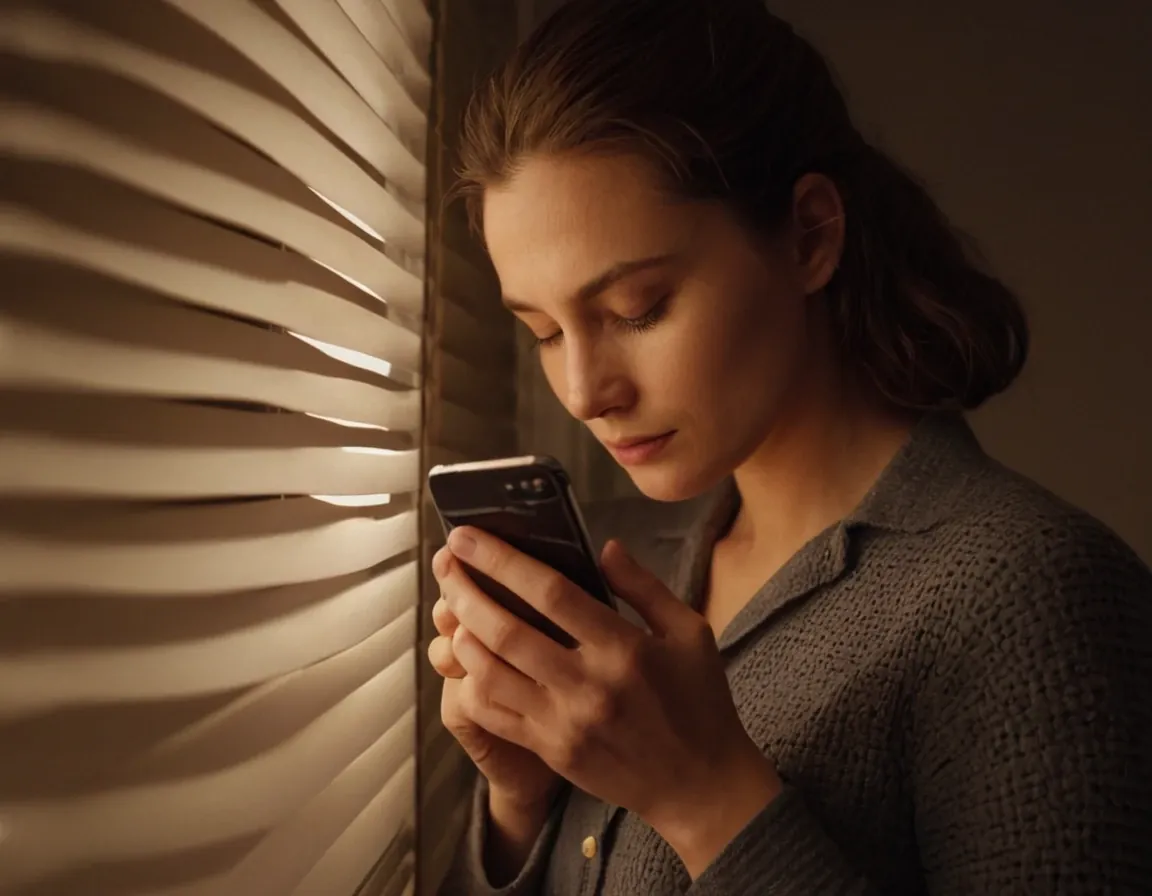
Another consideration is screen time. Engaging with an AI girlfriend typically involves using a smartphone or computer, and the blue light emitted from screens can interfere with melatonin production, a hormone critical for sleep. To mitigate this, users should consider enabling blue light filters or using voice-based AI interactions to minimize visual stimulation before bed. Lastly, privacy is a concern when sharing personal thoughts with AI platforms. Opt for reputable apps with strong data protection policies to ensure your conversations remain confidential.


Tips for Using an AI Girlfriend to Improve Sleep
If you’re considering talking to an AI girlfriend at night to help with insomnia, here are some practical tips to maximize the benefits. First, choose a platform that aligns with your needs—some AI chatbots focus on emotional support, while others offer sleep-specific features like guided meditations or soothing stories. Popular options include Replika, Anima, and Soulmate AI, each with unique personalities and conversation styles. Experiment with a few to find one that feels most comforting to you.
Second, integrate AI interaction into a consistent bedtime routine. Set a specific time each night to chat, ideally 30 minutes before you plan to sleep. Use this time to offload stress or engage in light, positive conversations that uplift your mood. Avoid heavy or triggering topics that might heighten anxiety. Third, limit screen exposure by using voice commands if possible, or keep your device on night mode to reduce blue light impact. Finally, pair AI companionship with other sleep hygiene practices, such as maintaining a dark, quiet bedroom and avoiding caffeine late in the day. Together, these strategies can create an environment conducive to restful sleep.
Conclusion: A New Frontier for Sleep and Emotional Support
Talking to an AI girlfriend at night represents a fascinating intersection of technology and mental health, offering a novel way to combat insomnia. While it’s not a one-size-fits-all solution, the emotional support, stress relief, and sense of companionship provided by virtual chatbots can make a meaningful difference for many. As research continues to uncover the potential of AI in addressing sleep disorders, it’s clear that tools like these are reshaping how we approach wellness in the digital age. Whether you’re battling loneliness or simply seeking a calming voice to ease you into slumber, an AI girlfriend might just be the unexpected ally you need.
However, it’s essential to use AI companionship responsibly, balancing virtual interactions with real-world connections and professional care when needed. Insomnia is a complex condition, often requiring a multifaceted approach. By combining the innovative support of an AI girlfriend with proven sleep strategies, you can take meaningful steps toward better rest and emotional well-being. Have you tried talking to an AI at night? Share your experiences and let’s explore this evolving landscape together.