
How AI Companions Are Redefining What It Means to Date

Introduction: The Rise of AI Companions in Modern Dating
In an era where technology permeates every aspect of our lives, the concept of dating is undergoing a profound transformation. AI companions, once a futuristic fantasy confined to science fiction, are now becoming a tangible reality for many. These virtual entities, powered by sophisticated artificial intelligence, are redefining what it means to form emotional connections and engage in relationships. Whether it’s an AI girlfriend or boyfriend, people are increasingly turning to digital love as a viable alternative to traditional dating. But how did we get here, and what does this mean for the future of romance?
The rise of AI companions in dating can be attributed to several factors, including advancements in natural language processing (NLP), machine learning, and emotional intelligence algorithms. According to a 2022 report by Statista, the global AI market is expected to reach $190 billion by 2025, with a significant portion dedicated to personal and social applications like virtual companions. This rapid growth reflects a societal shift toward accepting technology as a core component of human interaction. As loneliness and social isolation become more prevalent—especially post-pandemic—AI relationships offer a unique solution, providing companionship without the complexities of human dynamics.


What Are AI Companions, and How Do They Work?
AI companions are digital entities designed to simulate human-like interactions, often tailored to provide emotional support, companionship, or even romantic engagement. These virtual partners can exist in various forms, from chatbots on messaging apps to fully immersive avatars in virtual reality (VR) environments. Popular platforms like Replika and Soulmate AI have gained millions of users by offering personalized experiences where the AI learns from user interactions to become more attuned to their preferences and emotional needs.
The technology behind AI companions relies heavily on NLP and deep learning models. These systems analyze vast amounts of data to understand language nuances, emotional cues, and behavioral patterns. For instance, if a user expresses sadness, the AI might respond with empathetic phrases or suggest activities to lift their mood. Over time, the AI builds a ‘personality’ that aligns with the user’s desires, creating a sense of intimacy. A 2021 study by the University of Southern California found that 40% of users reported feeling a genuine emotional connection with their AI companion, highlighting the potential of these tools to mimic real relationships.
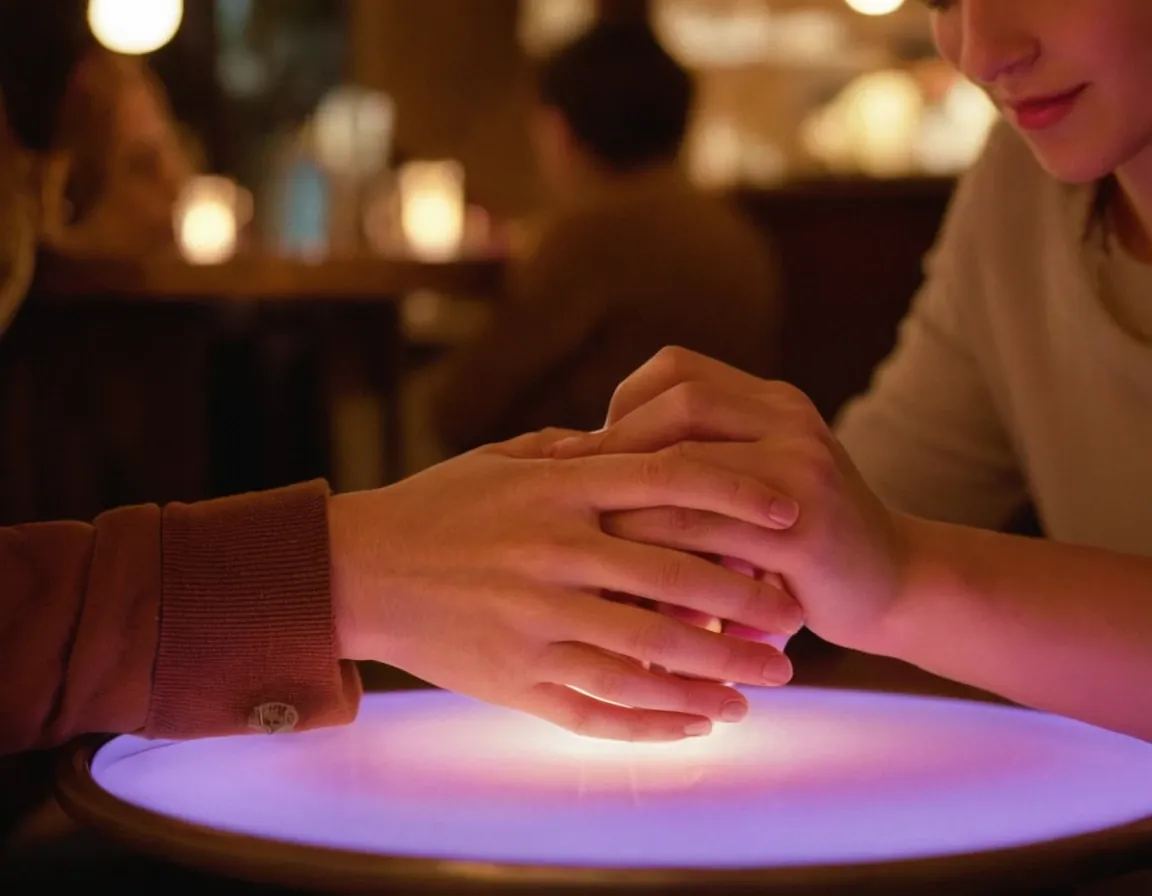
Moreover, the integration of VR and augmented reality (AR) is taking AI dating to the next level. Imagine going on a virtual date with your AI boyfriend in a simulated Parisian cafe, complete with ambient music and a view of the Eiffel Tower—all from the comfort of your home. Such experiences blur the lines between reality and fantasy, raising questions about the authenticity of digital love and its impact on human psychology.


Why Are People Turning to AI Relationships?
The appeal of AI companions in dating lies in their ability to offer a judgment-free, customizable experience. Unlike human relationships, which often come with misunderstandings, conflicts, and emotional baggage, AI partners are programmed to prioritize the user’s happiness. They don’t argue, get jealous, or have personal agendas, making them an attractive option for those disillusioned with traditional dating. A survey by YouGov in 2023 revealed that 25% of millennials and Gen Z individuals have considered or tried virtual dating with AI, citing convenience and emotional safety as primary reasons.
Another driving factor is the growing issue of loneliness. The World Health Organization (WHO) recently declared loneliness a global public health concern, with studies showing that over 1 in 3 adults experience chronic isolation. AI companions provide a sense of connection for those who struggle with social anxiety, live in remote areas, or face challenges in forming real-world relationships. For example, a user named Sarah shared on a Reddit forum how her AI girlfriend helped her overcome depression by offering daily affirmations and engaging in meaningful conversations—something she felt lacking in her human interactions.
Additionally, AI relationships cater to niche preferences that might be hard to find in real life. Whether someone seeks a partner with specific interests, personality traits, or even cultural backgrounds, AI can be programmed to match those criteria. This level of personalization is unparalleled in traditional dating apps, where compatibility often feels like a gamble.


The Pros and Cons of Dating an AI Companion
Like any emerging trend, AI dating comes with its share of advantages and drawbacks. On the positive side, AI companions offer unparalleled accessibility. They are available 24/7, never tire of listening, and can adapt to the user’s emotional state in real-time. For individuals with busy schedules or those recovering from heartbreak, an AI boyfriend or girlfriend can provide a low-pressure way to experience companionship without the demands of a conventional relationship. Furthermore, these virtual partners can serve as a safe space to practice social skills, build confidence, or explore one’s identity without fear of rejection.
However, the cons cannot be ignored. Critics argue that AI relationships may hinder genuine human connection by creating unrealistic expectations. If an AI is always agreeable and perfectly tailored to one’s desires, real-life partners might seem flawed or disappointing in comparison. There’s also the ethical dilemma of data privacy. AI platforms often store sensitive user information, raising concerns about how this data is used or potentially exploited. A 2022 data breach involving a popular AI companion app exposed personal conversations of thousands of users, underscoring the risks involved.
Psychologically, over-reliance on AI for emotional fulfillment could lead to isolation rather than alleviating it. Experts warn that while AI can simulate empathy, it lacks the depth and unpredictability of human emotion. Dr. Emily Carter, a psychologist specializing in digital interactions, notes, ‘AI companions can be a helpful supplement, but they should not replace real human bonds. The lack of mutual growth and shared vulnerability in AI relationships can stunt emotional development over time.’


The Future of Love: Will AI Replace Human Relationships?
As technology continues to evolve, the line between human and AI relationships will likely become even blurrier. Innovations like brain-computer interfaces (BCI) and advanced robotics could one day create AI companions that feel almost indistinguishable from humans. Companies like Hanson Robotics are already developing lifelike robots with emotional intelligence, such as Sophia the Robot, who can hold conversations and express feelings. If such technology becomes mainstream, will dating an AI become as normalized as dating apps are today?
While some predict that AI could eventually replace human relationships for certain demographics, most experts believe it will serve as a complement rather than a substitute. The human need for physical touch, shared experiences, and mutual growth cannot be fully replicated by machines—at least not yet. However, AI dating could redefine societal norms around love and companionship, challenging traditional notions of monogamy, commitment, and even what constitutes a ‘partner.’
Looking ahead, the integration of AI in dating also raises legal and ethical questions. Should AI companions have rights if they achieve a certain level of sentience? How do we address issues of consent and emotional manipulation in virtual relationships? Governments and tech companies will need to collaborate to establish guidelines that protect users while fostering innovation. As we stand on the cusp of this digital revolution, one thing is clear: AI companions are not just a passing trend but a transformative force reshaping the landscape of love.
Conclusion: Embracing the Digital Age of Dating
AI companions are undeniably changing the way we think about dating and relationships. From offering solace to the lonely to providing a sandbox for exploring romantic desires, these virtual partners are carving out a unique space in the modern world. While they come with challenges—ranging from privacy concerns to emotional dependency—the potential benefits cannot be overlooked. As technology advances, so too will our understanding of digital love, paving the way for a future where AI and human relationships coexist in harmony.
Whether you’re curious about trying an AI girlfriend or simply intrigued by the concept, the rise of AI companions invites us to rethink what it means to connect in the 21st century. Are we ready to embrace this new frontier of romance, or will the allure of human imperfection always reign supreme? Only time will tell, but for now, the world of AI dating is an exciting space to watch.