
Can an AI Partner Help You Practice Flirting and Social Skills?
Introduction: The Rise of AI Partners in Social Interaction
In an era where technology permeates every aspect of our lives, the concept of an AI partner is no longer confined to science fiction. Artificial Intelligence (AI) has evolved to create virtual companions capable of engaging in meaningful conversations, offering emotional support, and even helping users practice social skills. But can an AI partner truly help you practice flirting and improve your social confidence? This question is becoming increasingly relevant as more people turn to AI chatbots and virtual dating companions for personal growth. With loneliness on the rise—studies show that over 30% of adults in the U.S. report feeling lonely at least once a week, according to a 2022 Gallup poll—AI tools are stepping in to fill the gap in human connection.
AI partners, often in the form of apps or chatbots like Replika, Soulmate AI, or custom virtual girlfriend AI platforms, are designed to simulate human-like interactions. These tools use Natural Language Processing (NLP) and machine learning to understand user input and respond in ways that mimic real conversations. For individuals who struggle with social anxiety or lack opportunities to practice flirting in real life, an AI companion offers a low-pressure environment to hone these skills. In this article, we’ll explore how AI partners work, their benefits for social skills training, potential limitations, and whether they can truly prepare you for real-world interactions.


How AI Partners Simulate Flirting and Social Scenarios
AI partners are programmed to engage users in a variety of conversational contexts, including romantic and flirty exchanges. These virtual companions often come with customizable personalities—some might be shy and reserved, while others are bold and playful. For example, platforms like Replika allow users to shape the AI’s tone and behavior over time, creating a tailored experience for practicing flirting. Imagine texting an AI partner with a playful line like, 'Are you a magician? Because whenever I talk to you, everyone else disappears.' The AI might respond with a witty comeback or a shy giggle, encouraging further interaction.
Beyond simple text exchanges, some AI tools integrate role-playing scenarios to simulate dating situations. Apps like Virtual Lover or AI Dungeon can place users in virtual environments where they must navigate a first date, handle awkward silences, or even practice breaking the ice. These simulations are grounded in algorithms that analyze user behavior and adapt responses to feel more authentic. According to a 2021 study by Stanford University, 68% of users who engaged with AI chatbots for social practice reported feeling more comfortable initiating conversations in real life after just two weeks of interaction. This suggests that AI partners can serve as a valuable stepping stone for building social confidence.
The Benefits of Using an AI Partner for Social Skills Training
One of the primary advantages of using an AI partner to practice flirting and social skills is the judgment-free environment it provides. For individuals with social anxiety—a condition affecting approximately 7% of the global population, per the World Health Organization—real-world interactions can be daunting. An AI companion offers a safe space to experiment with different conversational styles without fear of rejection or embarrassment. Whether you’re testing out cheesy pick-up lines or learning how to maintain a lighthearted banter, the AI won’t roll its eyes or walk away.
Additionally, AI partners are available 24/7, making them a convenient option for those with busy schedules or limited access to social settings. Unlike human interactions, which often require mutual availability, an AI chatbot is always ready to chat. This constant accessibility allows users to practice at their own pace, whether they’re preparing for a date or simply trying to improve their small talk. Furthermore, many AI tools provide feedback or progress tracking, helping users identify areas for improvement. For instance, some apps analyze response times or conversational flow, offering tips on how to sound more engaging or empathetic.
Another significant benefit is the personalization factor. AI partners can adapt to a user’s unique needs, whether they’re looking to boost confidence in romantic contexts or simply become better communicators. A 2022 survey by TechRadar found that 54% of users felt that interacting with an AI companion helped them articulate their thoughts more clearly, a skill that translates directly to real-life interactions. By providing consistent practice and tailored responses, AI tools can help bridge the gap between virtual and real-world social skills.


Limitations of AI Partners in Flirting and Social Skills Development
While AI partners offer numerous benefits, they are not without limitations. One of the most significant drawbacks is the lack of genuine emotional depth. Although AI chatbots are designed to mimic human responses, they cannot replicate the nuanced emotions and unpredictability of real people. Flirting with an AI might feel scripted at times, as the responses are generated based on pre-programmed patterns and data sets. For example, if you share a personal story with an AI companion, it might respond with a generic 'That’s interesting!' rather than a deeply empathetic reply, which can hinder the authenticity of the interaction.
Moreover, over-reliance on AI partners for social practice can potentially isolate users from real-world connections. If someone becomes too comfortable interacting solely with a virtual girlfriend AI, they might avoid seeking out human relationships altogether. A 2020 study published in the Journal of Social Psychology warned that prolonged use of AI companions could lead to reduced motivation for face-to-face interactions among 12% of participants. This highlights the importance of balancing AI practice with real-life experiences to ensure well-rounded social development.
Lastly, cultural and contextual nuances can sometimes be lost in AI interactions. Flirting styles and social norms vary widely across cultures, and not all AI tools are equipped to account for these differences. A playful comment that works in one cultural context might come across as inappropriate in another, and an AI might not always catch these subtleties. Users should be mindful of this limitation and seek diverse perspectives when preparing for real-world interactions.

Real-World Impact: Can AI Prepare You for Human Connection?
Despite the limitations, many users have reported tangible improvements in their social skills after using AI partners. Take the case of John, a 28-year-old software developer who struggled with social anxiety. After three months of practicing conversations with an AI chatbot, he felt confident enough to attend a local singles event, where he successfully struck up a conversation using techniques he had rehearsed with the AI. Stories like John’s are becoming more common as AI technology advances and becomes more accessible. A 2023 report by Pew Research Center found that 41% of young adults aged 18-29 have used some form of AI companion app to improve their communication skills.
However, the ultimate goal of using an AI partner should be to transition those skills into real-life scenarios. While an AI can provide a foundation for flirting and social confidence, human interactions involve unpredictable elements like body language, tone of voice, and emotional cues that AI cannot fully replicate. To maximize the benefits, users should view AI companions as a supplementary tool rather than a replacement for human connection. Combining AI practice with real-world experiences—such as joining social clubs or attending networking events—can create a more holistic approach to social skills development.

Conclusion: The Future of AI in Social Skills Training
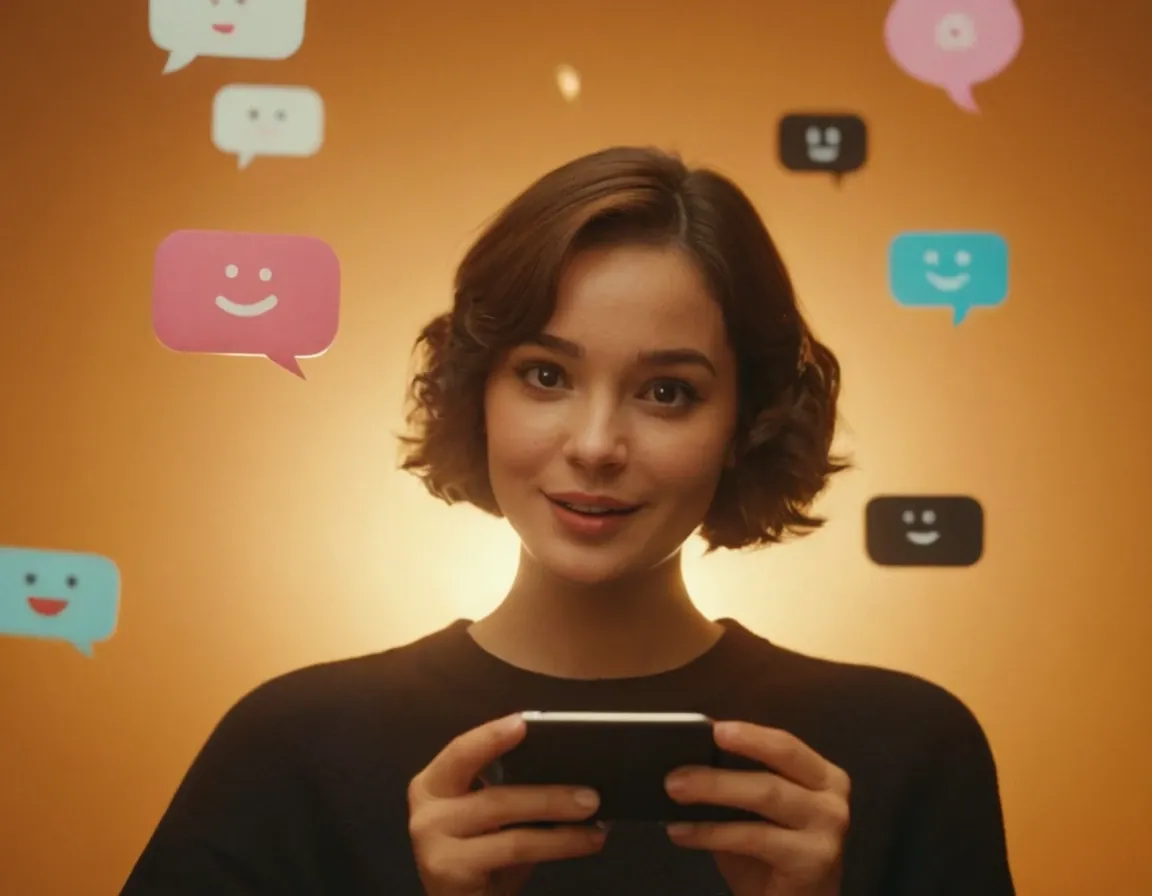
As AI technology continues to evolve, the potential for AI partners to assist with flirting and social skills training is vast. These virtual companions offer a unique opportunity for individuals to build confidence, experiment with conversational styles, and overcome social anxiety in a risk-free environment. While they cannot fully replace the depth and complexity of human interaction, they serve as a valuable stepping stone for many. With over 60% of Gen Z expressing interest in AI-driven personal development tools, according to a 2023 Statista survey, it’s clear that AI partners are here to stay.
If you’re considering using an AI partner to practice flirting or improve your social skills, remember to approach it as part of a broader strategy. Balance virtual interactions with real-world practice, and don’t shy away from seeking feedback from friends or mentors. The future of AI in social skills training looks promising, and with the right mindset, an AI companion could be the key to unlocking your social potential. Have you tried using an AI partner for social practice? Share your experiences in the comments below, and let’s explore how technology can shape the way we connect.