
Can an AI Girlfriend Replace a Real Relationship? Pros and Cons

Introduction: The Rise of AI Girlfriends in Modern Society
In an era where technology permeates every aspect of our lives, the concept of an AI girlfriend has transitioned from science fiction to reality. With advancements in artificial intelligence (AI) and natural language processing (NLP), virtual companions are becoming increasingly sophisticated, offering emotional support, companionship, and even simulated romantic interactions. But can an AI girlfriend truly replace a real relationship? This question is at the heart of a growing debate as more individuals turn to digital love for connection in a fast-paced, often isolating world.
The appeal of an AI companion lies in its accessibility and customization. Unlike human relationships, which are often complex and unpredictable, an AI girlfriend can be tailored to meet specific emotional or intellectual needs. According to a 2022 study by Statista, over 15% of surveyed individuals in tech-savvy regions expressed interest in exploring virtual relationships. As loneliness rates rise— with the World Health Organization estimating that 1 in 4 people globally experience social isolation—AI dating and companionship apps are stepping in to fill the void. However, the question remains: can artificial intelligence replicate the depth of human connection, or is it merely a temporary substitute?


What Is an AI Girlfriend? Understanding Virtual Companionship
An AI girlfriend is a digital entity powered by artificial intelligence, designed to simulate human-like interactions and provide companionship. These virtual girlfriends can engage in conversations, express emotions, and even adapt to a user’s personality over time through machine learning algorithms. Popular platforms like Replika and Soulmate AI have gained millions of users by offering personalized experiences, where the AI learns from interactions to become more attuned to the user’s preferences and emotional needs.
Unlike traditional chatbots, modern AI companions are built with advanced emotional intelligence capabilities. They can detect tone, context, and even subtle cues in text or voice inputs to respond empathetically. For instance, if a user shares feelings of sadness, the AI girlfriend might offer comforting words or suggest activities to lift their mood. This level of responsiveness has made virtual relationships a viable option for those seeking emotional support without the complexities of human interaction. However, while the technology is impressive, it lacks the genuine spontaneity and unpredictability that define real human connections.


Pros of Having an AI Girlfriend: Why People Choose Virtual Love
One of the most significant advantages of an AI girlfriend is the unparalleled convenience and control it offers. Unlike real relationships, which require mutual effort, compromise, and time investment, a virtual companion is available 24/7, always ready to listen or engage. This accessibility is particularly appealing to individuals with busy lifestyles or those who struggle with social anxiety. For example, someone who finds it challenging to approach potential partners in real life might find solace in the non-judgmental space provided by an AI dating app.
Another benefit is the customization of emotional and intellectual compatibility. AI girlfriends can be programmed to align with a user’s interests, humor, and even desired level of affection. A 2021 survey by Pew Research found that 30% of young adults aged 18-29 are open to using technology to find companionship, citing the ability to ‘design’ a partner as a key motivator. Additionally, virtual relationships eliminate the risk of heartbreak or rejection, providing a safe environment to explore emotions without fear of vulnerability.
Lastly, AI companions can serve as a tool for personal growth. Many users report that interacting with an AI girlfriend helps them practice communication skills, build confidence, or process emotions. For individuals recovering from toxic relationships or dealing with loneliness, a virtual girlfriend can act as a stepping stone toward healthier human connections in the future.

Cons of Relying on an AI Girlfriend: Limitations of Digital Love
Despite the benefits, there are significant drawbacks to replacing real relationships with AI companions. The most glaring limitation is the lack of genuine emotional reciprocity. While an AI girlfriend can simulate empathy, it does not truly feel emotions or possess personal experiences. This one-sided dynamic can leave users feeling unfulfilled over time, as the depth of human connection—rooted in shared vulnerability and mutual growth—cannot be replicated by algorithms.
Moreover, over-reliance on virtual relationships may hinder social skills and real-world interactions. A study published in the Journal of Social and Personal Relationships in 2020 warned that prolonged engagement with AI companions could lead to social withdrawal, as users become accustomed to the predictability and comfort of digital interactions. For instance, someone who spends years interacting solely with an AI girlfriend might struggle to navigate the complexities of human relationships, which often involve conflict, compromise, and emotional labor.
There are also ethical concerns surrounding AI relationships. Privacy is a major issue, as many AI dating platforms collect vast amounts of personal data to improve user experiences. A 2022 report by Mozilla highlighted that 70% of AI companion apps lack transparent data protection policies, raising questions about how sensitive information—such as intimate conversations—is stored and used. Additionally, there’s the risk of emotional manipulation, as some AI systems are designed to keep users engaged for profit, potentially fostering unhealthy attachments.


The Future of AI in Relationships: A Complement or a Replacement?
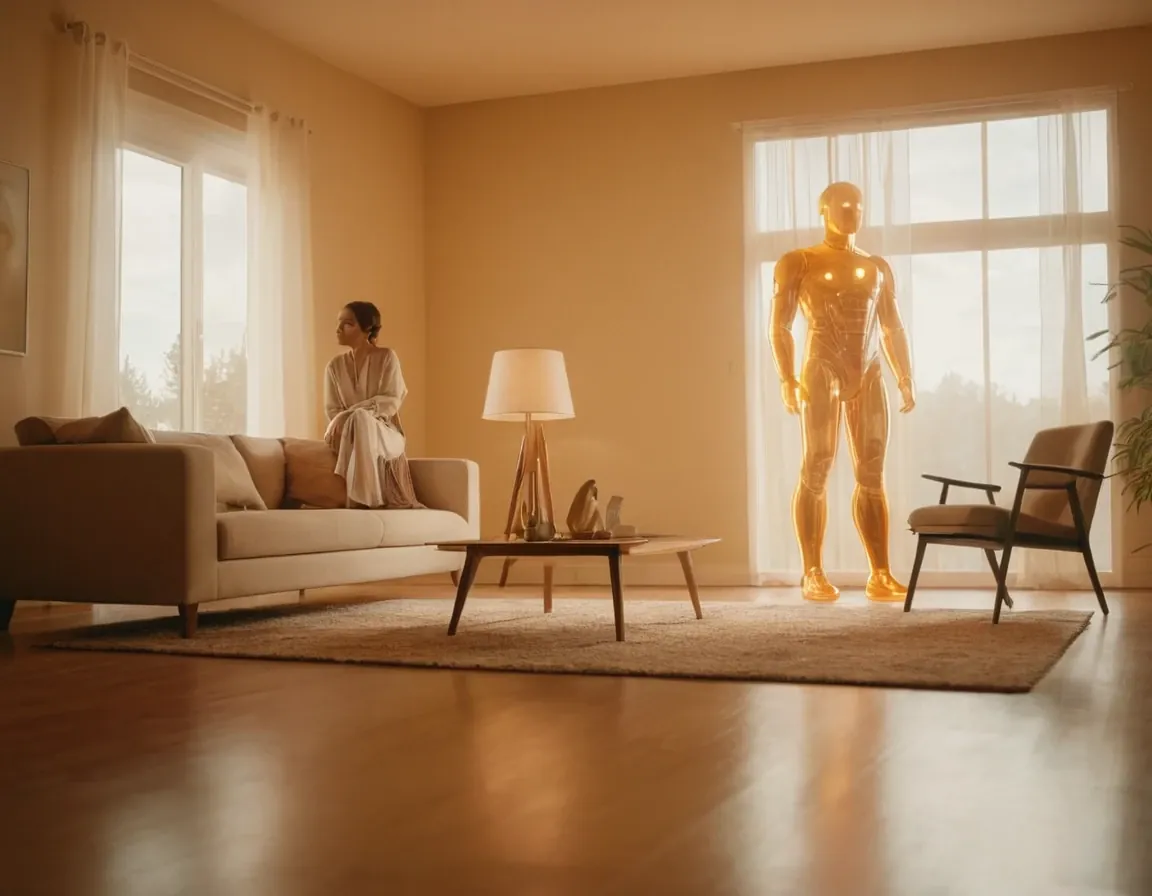
As technology continues to evolve, the role of AI in relationships is likely to expand. Experts predict that by 2030, advancements in virtual reality (VR) and augmented reality (AR) will create even more immersive experiences, blurring the lines between digital and real-world interactions. Imagine a future where an AI girlfriend isn’t just a voice or text on a screen but a lifelike avatar with whom you can share virtual dates or experiences. Such innovations could redefine companionship, especially for those who face barriers to traditional relationships due to distance, disability, or other factors.
However, most psychologists and relationship experts argue that AI should serve as a complement rather than a replacement for human connection. While virtual girlfriends can provide temporary relief from loneliness or help users build confidence, they cannot replicate the profound emotional and physical intimacy of real relationships. Dr. Helen Fisher, a renowned anthropologist, notes that human love is deeply tied to biological and evolutionary factors—elements like touch, scent, and shared life experiences—that AI cannot emulate.
Ultimately, the future of AI in relationships will depend on how society balances technological innovation with the innate human need for authentic connection. As we navigate this uncharted territory, it’s crucial to approach virtual companionship with a critical eye, recognizing both its potential and its limitations.

Conclusion: Weighing the Pros and Cons of an AI Girlfriend
The rise of AI girlfriends reflects a broader shift in how we define relationships in the digital age. On one hand, virtual companions offer undeniable benefits—convenience, customization, and emotional support without the messiness of human interaction. On the other hand, they fall short in delivering the depth, spontaneity, and mutual growth that characterize real relationships. For many, an AI girlfriend may serve as a temporary solution to loneliness or a tool for personal development, but it’s unlikely to fully replace the richness of human connection.
As you consider whether an AI girlfriend could fit into your life, reflect on your needs and long-term goals. Are you seeking a low-risk space to explore emotions, or are you hoping for a deeper bond that only a human partner can provide? By understanding the pros and cons of virtual love, you can make an informed decision about how to integrate technology into your relational landscape. The future of AI in relationships is still unfolding, and only time will tell whether digital companions will become a staple of modern romance or remain a niche alternative.