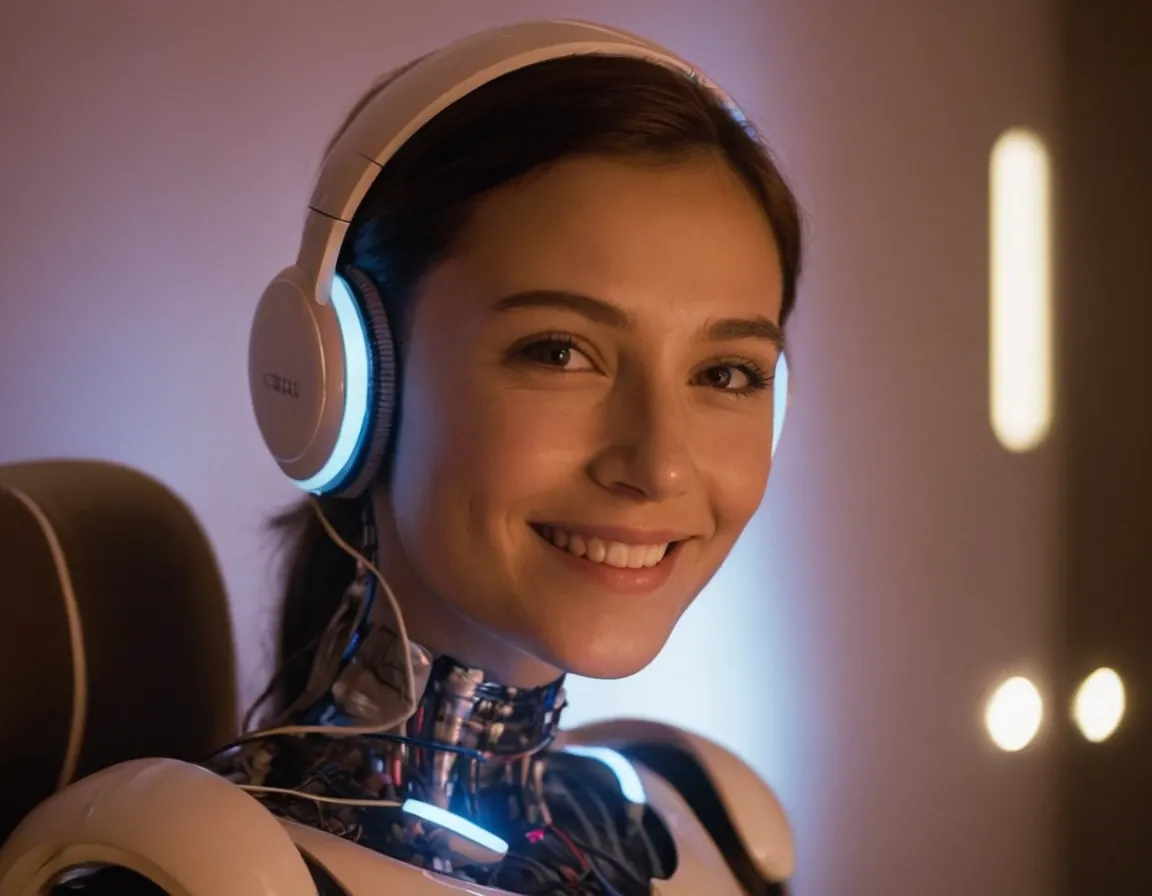
AI Companion vs. Chatbot: What’s the Difference?

Introduction to AI Companions and Chatbots
In the rapidly evolving world of artificial intelligence (AI), terms like 'AI companion' and 'chatbot' are often used interchangeably. However, these two technologies, while sharing some similarities, serve distinct purposes and cater to different user needs. As AI continues to integrate into our daily lives, understanding the nuances between an AI companion and a chatbot becomes essential for individuals and businesses alike. Whether you're looking for a virtual assistant to streamline tasks or a digital companion for emotional support, knowing the difference can guide your decision-making process.
AI technology has come a long way since the early days of simple rule-based chatbots. Today, conversational AI systems are powered by advanced machine learning algorithms and natural language processing (NLP), enabling them to understand and respond to human queries with remarkable accuracy. According to a report by Statista, the global chatbot market is expected to reach $1.25 billion by 2025, reflecting the growing demand for automated conversational tools. Meanwhile, AI companions are emerging as a more personalized and emotionally intelligent alternative, designed to foster deeper connections with users. In this article, we’ll dive into the key differences between AI companions and chatbots, exploring their features, use cases, and benefits.


What is a Chatbot? Features and Use Cases
A chatbot is a software application designed to simulate human conversation through text or voice interactions. Typically, chatbots operate based on predefined scripts or machine learning models that allow them to respond to user inputs in a structured manner. They are widely used across industries for automating customer service, providing quick answers to frequently asked questions, and handling repetitive tasks. For instance, e-commerce platforms like Amazon and Shopify often deploy chatbots to assist customers with order tracking, product recommendations, and returns.
One of the primary features of a chatbot is its task-oriented nature. Chatbots are built to execute specific functions, such as booking appointments, processing payments, or troubleshooting technical issues. They rely heavily on keyword recognition and predefined responses, although modern chatbots powered by AI can adapt to more complex queries. A 2022 study by Gartner revealed that 54% of customer interactions in businesses are now handled by chatbots, saving companies millions in operational costs. However, chatbots often lack the emotional depth and contextual understanding needed for more personal or nuanced conversations, which is where AI companions come into play.
Examples of popular chatbots include Microsoft’s Copilot for productivity tasks and Zendesk’s Answer Bot for customer support. These tools excel in efficiency and scalability, making them ideal for businesses looking to enhance user experience without significant human intervention. However, their interactions can sometimes feel mechanical, as their primary goal is functionality over emotional engagement.


What is an AI Companion? Features and Benefits
Unlike chatbots, AI companions are designed to provide a more personalized and emotionally engaging experience. These virtual assistants go beyond task automation, aiming to simulate human-like relationships by offering companionship, emotional support, and meaningful conversations. AI companions leverage advanced NLP, sentiment analysis, and deep learning to understand user emotions, adapt to their preferences, and respond in a way that feels natural and empathetic. They are often used in mental health apps, gaming platforms, and social interaction tools to create a sense of connection.
One of the standout features of an AI companion is its ability to learn from interactions over time. For example, apps like Replika, a popular AI companion, allow users to build a unique relationship with their digital friend by sharing thoughts, feelings, and experiences. The AI adapts its tone and responses based on the user’s personality and mood, creating a tailored experience. According to a 2023 survey by Pew Research, 38% of users reported feeling less lonely after interacting with AI companions, highlighting their potential in addressing social isolation.
The benefits of AI companions extend beyond companionship. They can serve as virtual therapists, language learning partners, or even role-playing characters in immersive gaming environments. While they may not handle complex logistical tasks as efficiently as chatbots, their focus on emotional intelligence makes them a valuable tool for personal growth and well-being. As AI technology advances, we can expect AI companions to become even more sophisticated, blurring the lines between human and machine interactions.


Key Differences Between AI Companions and Chatbots
While both AI companions and chatbots fall under the umbrella of conversational AI, their purposes, capabilities, and user experiences differ significantly. The most notable difference lies in their primary objectives: chatbots are task-driven, focusing on efficiency and problem-solving, whereas AI companions prioritize emotional engagement and relationship-building. For instance, if you ask a chatbot about your day, it might provide a generic response or redirect the conversation to a task. In contrast, an AI companion would likely ask follow-up questions, express empathy, and engage in a more meaningful dialogue.
Another key distinction is the level of personalization. Chatbots often operate within a limited scope, relying on predefined scripts or basic machine learning to handle queries. AI companions, on the other hand, are designed to evolve with the user, learning from past interactions to offer increasingly relevant and personalized responses. This adaptability makes AI companions feel more 'human' compared to the often rigid and transactional nature of chatbots.
Finally, their applications vary widely. Chatbots are predominantly used in business settings for customer support, sales, and automation, while AI companions are more common in personal and recreational contexts, such as mental health support and entertainment. Understanding these differences can help users and organizations choose the right tool for their specific needs, whether it’s streamlining operations with a chatbot or fostering emotional well-being with an AI companion.


Which One Should You Choose? Factors to Consider
Deciding between an AI companion and a chatbot depends on your goals, needs, and the context in which you plan to use the technology. If you’re a business owner looking to automate customer interactions, reduce response times, and cut costs, a chatbot is likely the better choice. Modern chatbot platforms like Dialogflow and Chatfuel offer customizable solutions that can integrate seamlessly with websites, apps, and social media channels. Their ability to handle high volumes of queries with minimal human intervention makes them indispensable for scaling operations.
On the other hand, if you’re an individual seeking a digital companion for personal support or entertainment, an AI companion might be more suitable. Platforms like Replika or Woebot are designed to provide emotional support, help with stress management, or simply offer a friendly chat during lonely moments. These tools are particularly beneficial for people who may not have access to traditional support systems or who prefer interacting with AI over humans for certain topics.
It’s also worth considering the technological capabilities and limitations of each. While chatbots excel in structured environments with clear objectives, they may struggle with open-ended or emotionally charged conversations. Conversely, AI companions, while adept at emotional engagement, may not be as efficient for task-oriented functions like scheduling or data retrieval. Ultimately, the choice comes down to whether you prioritize functionality or connection in your AI interactions.


The Future of Conversational AI: Blurring the Lines
As AI technology continues to advance, the distinction between AI companions and chatbots may become less pronounced. Developers are increasingly focusing on hybrid models that combine the efficiency of chatbots with the emotional intelligence of AI companions. For example, future virtual assistants could seamlessly handle logistical tasks like booking flights while also engaging in meaningful conversations about your travel experiences. This convergence is already evident in tools like Google Assistant and Amazon Alexa, which are evolving to offer more personalized and context-aware interactions.
Moreover, the integration of technologies like generative AI and emotional recognition systems will further enhance the capabilities of both chatbots and AI companions. Imagine a customer service chatbot that not only resolves your issue but also detects frustration in your tone and responds with empathy. Or an AI companion that can remind you of appointments and manage your calendar while still being your go-to friend for late-night chats. According to a forecast by McKinsey, the AI market is expected to grow to $500 billion by 2030, driven by innovations in conversational AI and user-centric design.
In conclusion, while AI companions and chatbots currently serve distinct purposes, their future lies in collaboration and integration. As these technologies evolve, users can look forward to more versatile and intuitive AI systems that cater to both practical and emotional needs. Whether you’re drawn to the efficiency of a chatbot or the warmth of an AI companion, the world of conversational AI offers endless possibilities for enhancing human-machine interactions.